July 6–12: "There Is a Prophet in Israel" (2 Kings 2–7)
A widow with one jar of oil, a general too proud to wash in a river, and a servant who couldn't see the army standing right behind him — this week in 2 Kings 2–7, Elisha's miracles reveal a God who specializes in doing the impossible with whatever small, scared, faithful thing you bring Him.
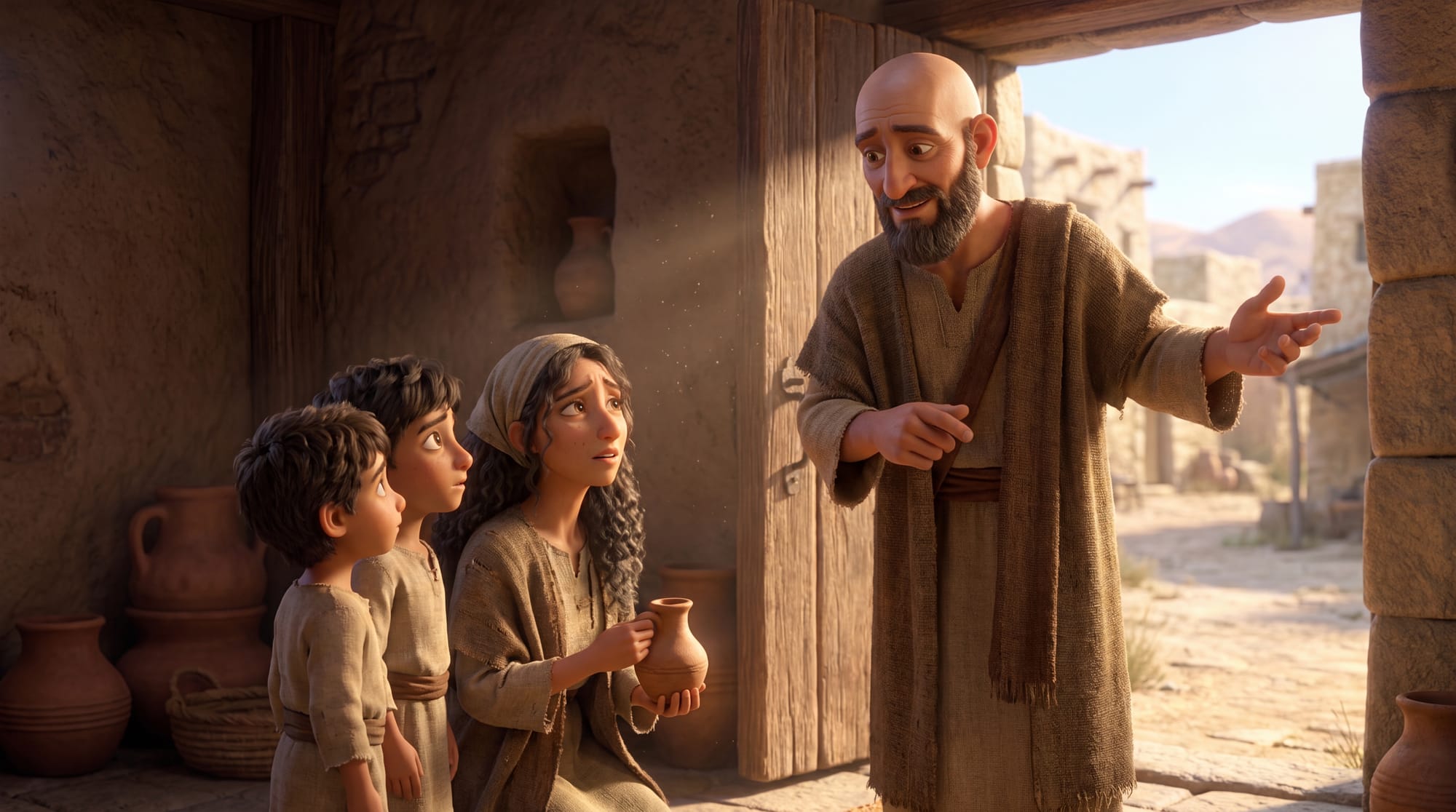
Bring What You Have and Pour
Bring what you have. (Bring it all!)
Answer the knock. (Answer the call!)
Even when your faith is feeling incredibly small.
The oil keeps pouring! The jar won't stop!
Blessing after blessing all the way to the top!
A widow with almost nothing. A prophet with a simple instruction. And a God who specializes in turning 'just a little' into more than enough.
Your Game Plan for This Week
God doesn't need much from us to do something extraordinary. He just needs what we actually have. The widow didn't have a warehouse of oil — she had a jar. Naaman didn't need a dramatic ceremony — he needed a river and a little humility. The servant didn't need a bigger army — he needed open eyes. In each case, the miracle was already in motion. The only question was whether the person in the story would trust enough to participate. Pour It Out captures this beautifully — "bring what you have, bring it all, even when your faith is feeling incredibly small." That's not a motivational poster. That's the actual pattern of how the Lord works with His people, from ancient Israel to your living room this week.
For families, this is one of the most practical spiritual lessons in the entire Old Testament. We spend a lot of energy wishing we had more — more time, more patience, more faith, more resources — before we feel ready to act. But Elisha's question to the widow reframes everything: "What do you have?" Not what do you wish you had. Not what you used to have. What's in your hand right now? The Lord's track record, from the widow's oil to the feeding of the five thousand, is consistent: He multiplies what is offered in faith.
15-Minute Family Home Evening
Monday night — your launch for the week. Read together, then move.
-
Press play — watch or listen together while everyone gathers:3 min
🎵 Listen for: "When you bring the Lord the little you hold, He turns it into a miracle of gold."
Dive Deeper: Pour It Out -
Read this story together — take turns by sentence, or one person reads aloud:2 minShe had nothing left. The creditors were coming. Her husband was gone, her sons were about to be taken as payment, and all she had in the house was one small jar of oil. Not exactly the raw material of a miracle. But Elisha didn't ask her what she lacked — he asked what she had. Then he told her to do something that probably sounded ridiculous: go borrow every empty bowl she could find from her neighbors, shut the door, and start pouring. So she did. And the oil didn't stop until the last vessel was full.2 Kings 4:2–3 "And Elisha said unto her, What shall I do for thee? tell me, what hast thou in the house? And she said, Thine handmaid hath not any thing in the house, save a pot of oil. Then he said, Go, borrow thee vessels abroad of all thy neighbours, even empty vessels; borrow not a few."
-
Read the Big Idea together:1 minBig Idea The oil stopped when the vessels ran out — not when the miracle ran out. The limiting factor wasn't God's supply. It was the number of containers she was willing to gather. He multiplies what is offered in faith. He just needs what you actually have.
-
Do this activity together:6 minVessel Dash Clear a little space in your living room. One person is "Elisha" and stands at one end of the room. Everyone else grabs a random container from around the house — a cup, a bowl, a water bottle, a pot — and lines up at the other end. Elisha calls out a movement (hop on one foot, crab walk, spin three times) and everyone crosses the room that way while holding their vessel steady. When they reach Elisha, they shout "Pour it out!" and Elisha tags them back. First one across without dropping their vessel becomes the next Elisha.
-
Ask this question — go around and let every person answer:3 minAsk Your Family "The widow didn't have much — just one little pot of oil. But she gathered every vessel she could find and trusted the Lord to fill them. What's one 'vessel' in your life right now — a talent, a friendship, a little bit of courage — that you could offer to the Lord and watch Him multiply?"
20-Minute Primary / Sunday School
Lead with The Simple Things — Naaman's story is this week's clearest classroom anchor.
-
Press play as class arrives — no intro needed, just let it run:3 min
🎵 Listen for: "It's the simple things! Just wash and be clean! When the Lord gives a word, don't walk away—just humble your heart and do it today!"
Dive Deeper: The Simple Things -
Ask this to open. Take 2–3 responses, then move on.3 minOpening Question "Has anyone ever been asked to do something that felt too simple — like it couldn't possibly be the answer?"
-
Read this to the class:2 minNaaman was the commander of the Syrian army, powerful and decorated, but he had leprosy. A young Israelite servant girl in his household told him about the prophet Elisha in Samaria. So Naaman made the trip — with serious resources and serious expectations. Elisha didn't even come outside. He sent a messenger: go wash in the Jordan River seven times. Naaman was furious. The Jordan was a muddy, unremarkable river. He had better rivers at home. This felt like an insult. He turned around to leave — still sick, still proud. It was his servants who stopped him. "If the prophet had asked you to do something hard, you would have done it. Why not something easy?" Naaman went. He dipped seven times. On the seventh, his skin was restored like a child's. He returned to Elisha and declared, "Now I know that there is no God in all the earth, but in Israel."2 Kings 5:13 "My father, if the prophet had bid thee do some great thing, wouldest thou not have done it? how much rather then, when he saith to thee, Wash, and be clean?"
-
Ask this. Give the class a moment before taking responses.2 minPivot Question "Why do you think Naaman almost walked away? What made the Jordan River feel like an insult?"
-
Keep the discussion going with this follow-up:5 minFollow-Up "If the prophet had asked him to do something hard and dramatic, he said he would have done it. What does that tell us about how pride gets in the way of simple obedience?"
-
Liken it unto yourself. Hand each student a slip of paper to write their answer and take home:4 minLiken Unto Yourself "What is your Jordan River right now — the simple, unglamorous thing the Lord might be asking you to do?"
-
1 minClose With This "God's instructions don't have to be dramatic to be real. The simple, unglamorous thing the Lord might be asking you to do is always enough."
Week Schedule
You don't have to do all six — pick what fits. Monday launches, Sunday caps. Tap any day to collapse or reopen it.
This Week's Fireside Moment
The full story behind the songs, in one sitting.

Watch & Listen
Pour It Out
She did. And the oil didn't stop. It filled bowl after bowl after bowl — every vessel she had gathered — until the moment she ran out of containers. Then it stopped. Elisha's instruction: sell the oil, pay the debt, live on the rest. The miracle was real, practical, and perfectly sized to her need. Not a drop wasted. Not a vessel left unfilled.
What Pour It Out does with this story is something special — it takes the widow's miracle and turns it into a theology of small beginnings. The chorus isn't just catchy; it's a direct musical retelling of what happened in that house. And the second verse makes the move that great scripture songs always make: it brings the miracle home. It might not be oil. It might be a thought that calms you down, or a friend who shows up when you're falling apart. The Lord is a provider, and He works with what you bring.
For your family this week, the question the song keeps asking is the same one Elisha asked: what do you have? Because that's always where the miracle starts.
Want the full story? Read the complete Fireside Moment or explore the Lyric-Scripture Blueprint in our Joy Tier Deep Dive.
Lyric–Scripture Blueprint (Preview)
Did you know these lyrics come straight from the scriptures?
Explore the full Lyric–Scripture Blueprints and deeper activities in the Joy Tier.
 Bob LeBaron
The Simple Things
Naaman was the commander of the Syrian army, powerful and decorated, but he had leprosy. A young Israelite servant girl in his household told him about the prophet Elisha in Samaria. So Naaman made the trip — with serious resources and serious expectations. Elisha didn't even come outside. He sent a messenger: go wash in the Jordan River seven times. Naaman was furious. The Jordan was a muddy, unremarkable river. He had better rivers at home. This felt like an insult. He turned around to leave — still sick, still proud. It was his servants who stopped him. 'If the prophet had asked you to do something hard, you would have done it. Why not something easy?' Naaman went. He dipped seven times. On the seventh, his skin was restored like a child's. He returned to Elisha and declared, 'Now I know that there is no God in all the earth, but in Israel' (2 Kings 5:15).
The Simple Things captures every beat of that story with energy and just enough humor to make Naaman's pride feel familiar rather than foreign — because it is. The song then makes the turn that matters most: our Jordan Rivers are scripture study, prayer, and showing up for the people around us. Not flashy. Not complicated. Just faithful.
The next time your kid rolls their eyes at family prayer or scripture time, this song gives you a shorthand: 'Remember Naaman?' Sometimes the simplest things are exactly the point.
Want the full story? Read the complete Fireside Moment or explore the Lyric-Scripture Blueprint in our Joy Tier Deep Dive.
 Bob LeBaron
Chariots of Fire
Elisha's servant walked outside one morning in Dothan and saw the Syrian army — horses, chariots, soldiers — surrounding the entire city. It was a legitimate military encirclement, not an exaggeration. He ran back to Elisha in full panic: 'Alas, my master! How shall we do?' Elisha's answer was surprising: 'Fear not: for they that be with us are more than they that be with them.' Then Elisha prayed one of the most specific prayers in all of scripture — not for deliverance, not for the enemy to flee, but simply that his servant's eyes would be opened. And they were. The mountain was full of horses and chariots of fire. Heaven's army had been there the whole time, surrounding Elisha, surrounding the servant, outnumbering the Syrians completely. The servant's fear wasn't irrational — he just couldn't see the full picture yet.
Chariots of Fire takes that moment and turns it into an anthem for every kid who has ever felt surrounded. The song walks through the servant's panic in Verse 1, then the chorus erupts into the prayer Elisha prayed — except now your child is singing it for themselves. 'Open my eyes! Let me see the fire!' isn't just a fun lyric. It's a real ask, set to music kids will actually remember when they need it.
The truth this song is handing your family is one of the most stabilizing in all of scripture: the armies of heaven are not on their way — they are already there. We just need eyes to see them. That's as true on a hard day in your kid's life as it was on that mountain in Dothan.
Want the full story? Read the complete Fireside Moment or explore the Lyric-Scripture Blueprint in our Joy Tier Deep Dive.
 Bob LeBaron
Listen Everywhere


Miss last week?
Every lesson stands on its own — but together, they tell one continuous story.
 Bob LeBaron
Don’t Stop the Music
The Joy Tier starts right here. Go deeper into this week’s scripture story and explore the meaning behind the songs.
Inside Joy you’ll find:
- A weekly Fireside Moment overview of the Come, Follow Me lesson
- Expanded Set the Stage teaching guides for every song
- Choose Your Adventure family activities and simple weekly habits
- Lyric–Scripture Blueprints, printable coloring pages, and lyric sheets
- Cinematic reflection videos designed for quiet viewing and discussion
Access Joy below to turn this week’s song into a weeklong experience of scripture, music, and family conversation.
This week's vibe
Oil, rivers, and fire
Three songs, three moods - here's what to expect before you press play.

Pour It Out
Joyful and expectant
Opens with energy and never lets up - a celebration song dressed as a faith lesson. Warm, hopeful, and a little funky.
Best for: morning energy

The Simple Things
Grounded and playful
Naaman's pride meets Elisha's non-appearance with gentle humor - but the chorus still lands with real conviction. This week's steady anchor.
Best for: everyday obedience talks
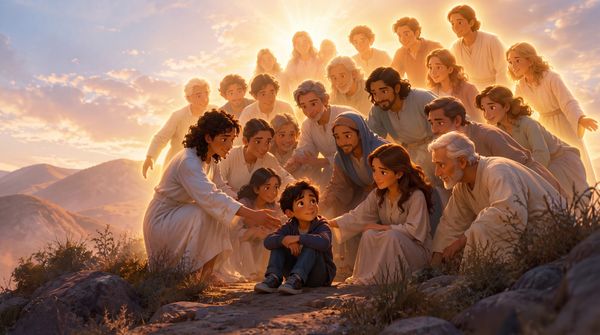
Chariots of Fire
Epic and reassuring
Builds from quiet fear to full-throated confidence. The week's emotional climax - goosebumps are likely.
Best for: hard days, when you need reassurance
Before You Teach: A Fireside Moment
Before diving into individual lessons, here's a short fireside overview of this week's scriptures.
The Widow's Oil, Naaman's River, and the Army Nobody Could See
2 Kings 2–7
Elijah’s ministry was defined by thunder, fire, and dramatic desert showdowns against an empire's state religion. But when his successor, Elisha, inherits the prophetic mantle in 2 Kings 2, the style of the ministry shifts completely. Israel is still fractured and spiritually drifting under the rule of Ahab's son, King Jehoram, but the superpower of Syria is now constantly invading the borders, leaving the regular citizens of Israel in a state of economic and physical terror.
Into this setting of national insecurity, the Lord sends Elisha. Rather than calling down fire on a mountain, Elisha moves quietly through the communities of Israel, working practical, deeply personal miracles for everyday people. What follows across 2 Kings 2–7 is a beautiful, intimate portrait of God's power acting at the ground level: a desperate widow whose kids are about to be sold into slavery, a mother grieving the death of her son, an enemy general covered in leprosy, and a young servant frozen in fear by an invading army. These chapters teach our families that the same God who commands the cosmic elements is intimately mindful of an empty oil jar, a blurred spiritual testimony, and a heavy heart in a quiet home.
The Widow, the Oil, and the Jar That Wouldn't Quit
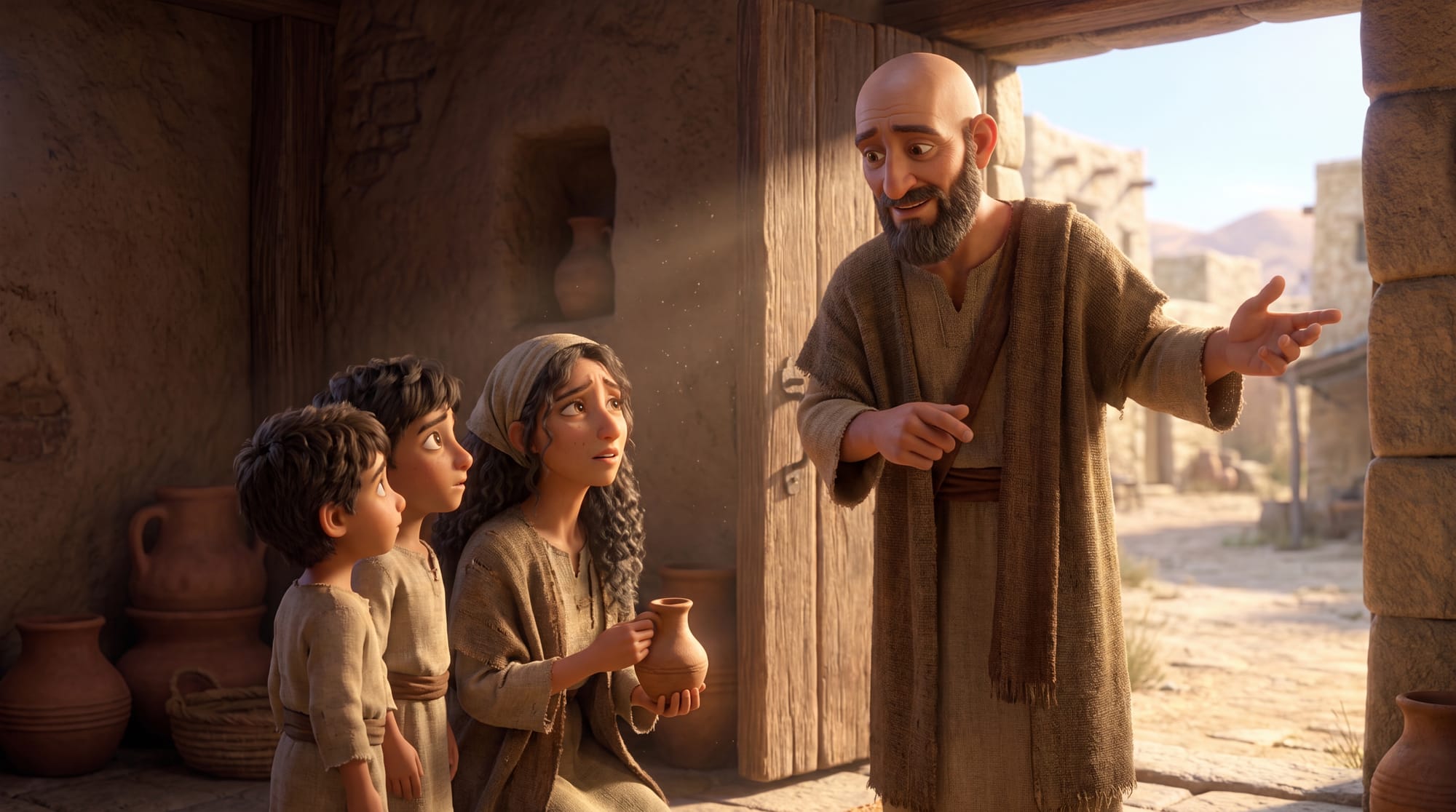
A woman is out of money, out of options, and a ruthless creditor is coming to take her two sons as slaves to pay off her late husband's debt. That is the brutal legal reality in ancient Israel. She goes to Elisha — the prophet who has just inherited Elijah's mantle — and she's not asking for wealth. She just doesn't want to lose her kids.

Elisha's response is one of the most practical-sounding miracles in all of scripture. He doesn't call down fire. He doesn't part a river. He asks her a question: 'What do you have in your house?' She has one small jar of oil. That's it. His instructions: go borrow every empty vessel your neighbors will lend you — as many as you can find — then go inside, shut the door, and start pouring.

She pours. The oil keeps coming. Jar after jar after jar fills to the brim. The oil only stops when she runs out of vessels to fill. Not a drop before that. Elisha tells her to sell the oil, pay the debt, and live on the rest.

The oil stopped when the vessels ran out, not when the miracle ran out. The limiting factor wasn't God's supply; it was the number of containers she was willing to gather. Her active faith, expressed in how many bowls she borrowed, set the literal ceiling on the blessing.
This is the exact principle behind the famous promise in Malachi 3:10. When the Lord tells us to bring our tithes into the storehouse, He challenges us to prove Him and see if He will not "pour you out a blessing, that there shall not be room enough to receive it." The windows of heaven are always ready to flood our lives, but we have to provide the room.
The Book of Mormon makes this principle explicit. In 2 Nephi 26:24, we're told the Lord "doeth not anything save it be for the benefit of the world." He's not rationing. He's waiting for us to show up with enough vessels. President Nelson has said it in our own day: "The Lord loves effort." The widow's effort was borrowing bowls. Ours might look different — showing up to the temple, keeping a covenant that feels inconvenient, doing the small obedient thing when a dramatic sign would feel more satisfying.
For your family this week, the question isn't whether God can fill your jar. It's how many vessels are you bringing to the door?
Dive Deeper: Pour It Out
 Bob LeBaron
The Shunammite Woman and the Prophet She Welcomed Home

There's a wealthy woman in Shunem who notices something. Every time Elisha passes through town, she invites him in for a meal. Eventually, she tells her husband: "I perceive that this is an holy man of God." So they build him a private room on their roof — a little prophet's chamber furnished with a bed, a table, a stool, and a candlestick. It gave the prophet a quiet place to rest.
Elisha wants to repay her hospitality and asks what she needs. She isn't angling for anything; she is content. But Elisha's servant Gehazi notices what she hasn't said out loud: she has no child, and her husband is old. Elisha calls her back and drops a bombshell: "About this season, according to the time of life, thou shalt embrace a son." She is so stunned by the sudden hope that she begs him not to lie to her. A year later, the boy is born.
Years pass, and tragedy strikes in an instant. While out in the harvest fields with his father, the boy cries out, "My head! My head!" and collapses from what sounds like severe heatstroke or an aneurysm. A servant carries him back to his mother, who holds the dying child on her lap until noon, when he passes away.
Instead of weeping publicly or panicking, this mother exhibits a fierce, stubborn grit. She carries the lifeless boy up to Elisha's roof room, lays him on the prophet’s bed, and shuts the door. She calls to her husband, asking for a donkey and a servant so she can ride to find the man of God immediately. Her husband is confused, pointing out that it isn't a religious holiday: "Wherefore wilt thou go to him to day? it is neither new moon, nor sabbath."
Her response is a profound masterclass in faith. She refuses to speak defeat. She looks her husband in the eye and says a single word: "Shalom" — translated in the text as, "It is well."
She saddles the donkey and tells the servant, "Drive, and go forward; slack not thy riding for me, except I bid thee." When Elisha sees her riding up to Mount Carmel in the distance, he sends Gehazi to intercept her and ask if everyone is okay. Again, protecting her mission, she tells the servant, "It is well," but the moment she reaches Elisha, she bypasses the assistant entirely, throws herself to the dirt, and catches the prophet by his feet. Her heartbreak pours out: "Did I desire a son of my lord? did I not say, Do not deceive me?"
Elisha immediately hands his prophetic staff to Gehazi and orders him to run ahead and lay it on the boy's face. Gehazi obeys, but the staff does not raise the boy—there is no sound, no warmth, and no sign of life.
Elisha gets up and follows her back to the house, enters the room alone, and shuts the door. He stretches himself out directly on top of the child—putting his mouth to the boy's mouth, his eyes to his eyes, and his hands to his hands. The child's body begins to grow warm. Elisha steps back, paces the room, and stretches over him a second time. Suddenly, the boy sneezes seven times and opens his eyes. Elisha calls the mother up with three simple words: "Take thy son." She falls at his feet, bows to the ground in speechless gratitude, and walks out holding her living boy.
This is one of the clearest types of Christ in the entire Old Testament. A prophet intercedes for a dead child and restores life. Compare it to Luke 7:11-16, where Jesus raises the widow of Nain's son. The pattern is unmistakable: the Lord's prophets don't just deliver messages. They carry His power. His life-giving, death-reversing, covenant-keeping power.
The Come, Follow Me lesson asks a pointed question about the Shunammite woman: what do you learn from her about receiving the Lord's prophet in your life? She made room. Literally. She built a space for the prophet's presence. That's worth sitting with as a family.
The staff that didn't immediately awaken the boy isn't a story about failure; it is a profound lesson on spiritual perseverance. Sometimes, our first faithful efforts don't instantly produce the final miracle, and the Lord invites us to keep going.
Notice who designed this two-step approach: Elisha himself. He is the one who hands Gehazi the staff and sends him ahead. The staff doing nothing isn't a failed first attempt that the prophet then has to fix — it's the first stage of a plan Elisha set in motion himself.
It's worth comparing this to what happens in 2 Kings 5 with Naaman. Naaman's healing came through an instruction relayed by a servant, and it worked because Naaman himself acted on it — he had to get up and walk into the Jordan seven times. D&C 1:38 tells us the voice of a servant carries the same weight as the Lord's own voice, "whether by mine own voice or by the voice of my servants, it is the same." That's why the staff, sent through Gehazi, could have worked. But there's a real difference between a leper who can still choose to obey and a boy who is already dead. A dead child has no faith-response to offer. The part of this miracle that requires a response can't run through a messenger — it requires Elisha's own life, given directly: mouth to mouth, eyes to eyes, hands to hands. Twice.
This matches the rhythm of Mark 8:22-26, where Jesus heals a blind man in two stages. After the first touch, the man's sight is only partially restored — he looks up and says, "I see men as trees, walking." That's not a failed miracle needing a correction. It's real sight, genuinely improved, in the middle of becoming complete. Christ touches his eyes a second time, and he sees every man clearly.
Both stories tell our families the same thing: the Lord's power doesn't always arrive complete in a single instant. Sometimes it unfolds in stages, and each stage is real even before the process is finished. When our prayers aren't answered all at once, or a blessing seems to come in pieces, it doesn't mean the first part didn't count. It may simply mean we're partway through something the Lord already designed from the beginning.
Twenty Loaves, a Hundred Men, and Leftovers
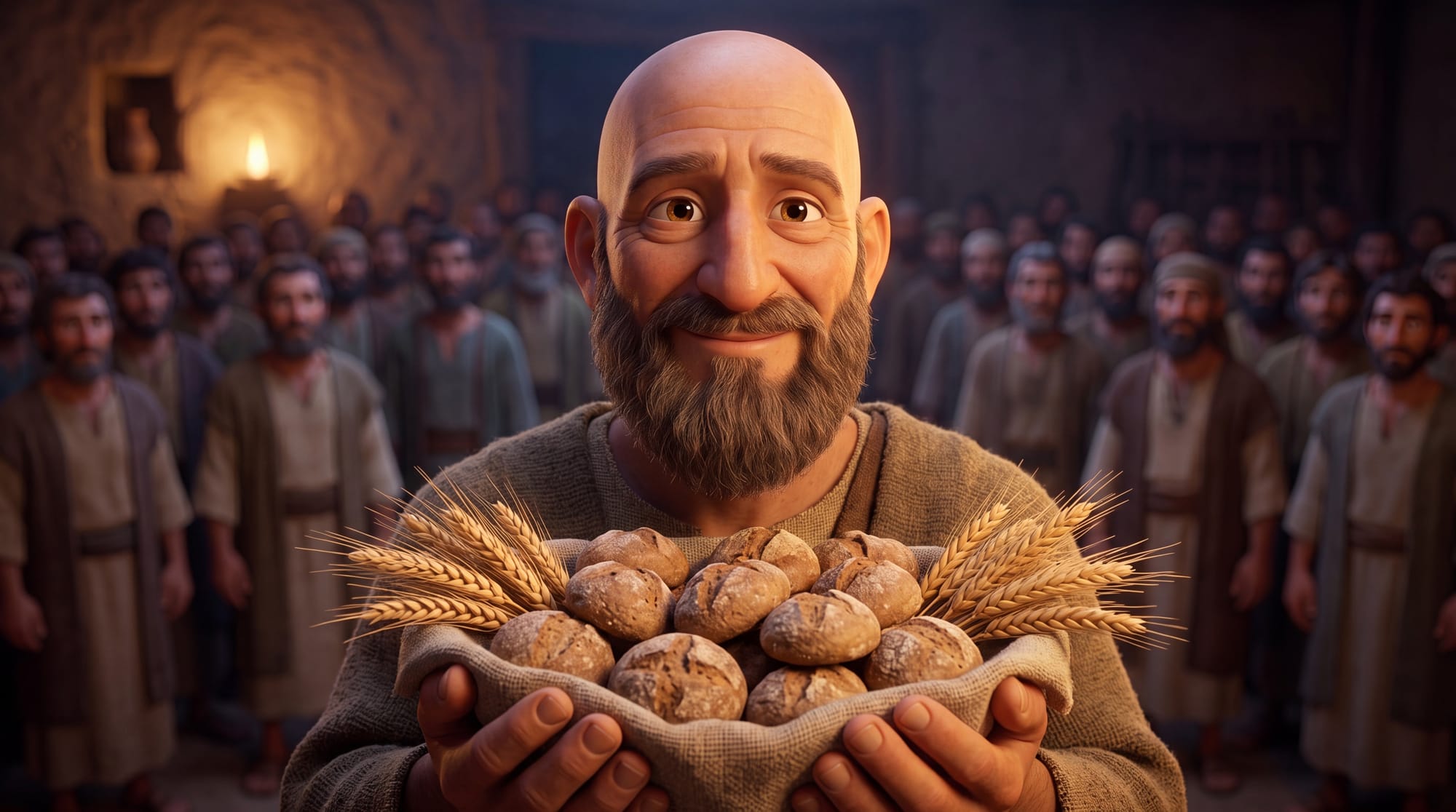
A man arrives from Baal-shalisha bringing Elisha twenty small loaves of barley bread and some fresh ears of grain — a firstfruits offering given as a generous gift. Elisha looks at the meager offering and tells his servant to set it before the crowd of a hundred men. The servant's response is completely reasonable: "What, should I set this before a hundred men?"
The math doesn't work. Twenty small loaves for a hundred hungry people is a fifth of a loaf each. That isn't a meal; it's a cruel joke. But Elisha repeats the command with absolute confidence: "Give the people, that they may eat: for thus saith the Lord, They shall eat, and shall leave thereof." They eat, and just as promised, there are fragments and leftovers remaining.
In John 6:1-13, Jesus feeds five thousand people with five barley loaves and two fish — and the disciples collect twelve baskets of fragments afterward. The miracle isn't just bigger; it's the exact same miracle, scaled up, performed by the One whose power Elisha was always pointing toward. Elisha's miracles testify of Christ even without a single recorded sermon. The feeding miracles are both declaring the same thing: when the Lord is involved, scarcity is never the final word.
For families navigating seasons of "not enough" — not enough time, not enough money, not enough emotional energy to handle everything on the calendar — this story is a lifeline. The Lord doesn't always multiply the loaves before you start distributing them. Sometimes the miracle happens in the handing out. You bring what you have, you obey the instruction, and you find out there's enough when you get there.
Naaman's Pride and the River He Almost Didn't Enter

Naaman is a massive celebrity. He's the commander-in-chief of the Syrian army — a decorated, powerful, and deeply respected military hero. He also has leprosy, which in the ancient world meant a slow, isolating, and humiliating death sentence. He hears about a potential cure through a young Israelite servant girl — a captive nobody by the world's standards — who tells Naaman's wife that the prophet in Samaria could heal him.
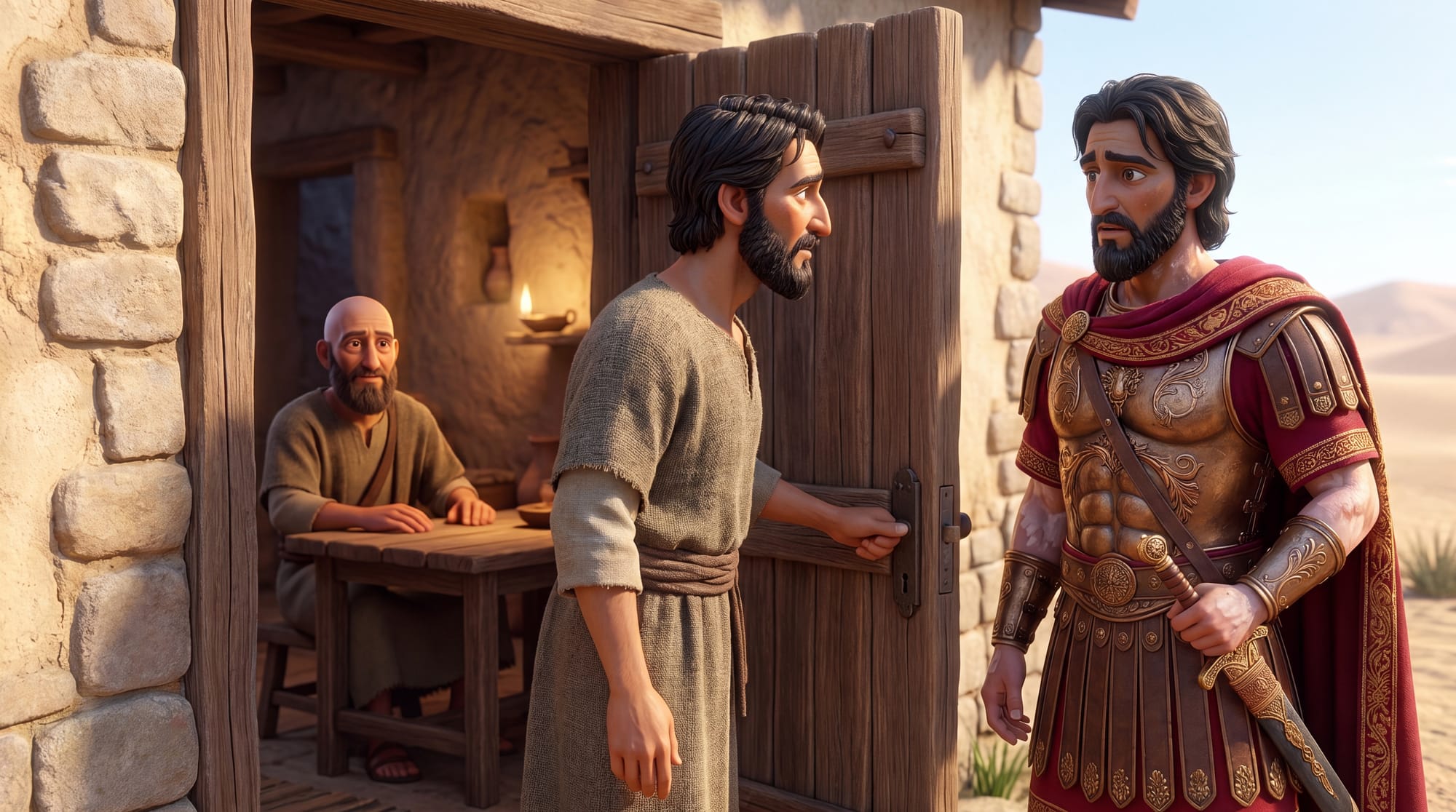
Naaman rides across the border into Israel with horses, chariots, an entourage, thousands of pounds of silver and gold, and an official letter from the king of Syria. He shows up at Elisha's humble door expecting a grand diplomatic ceremony. Elisha doesn't even bother to come outside. He simply sends a messenger out to the driveway with a basic instruction: go wash in the Jordan River seven times.

Naaman is absolutely furious. He expected Elisha to "come out to me, and stand, and call on the name of the Lord his God, and strike his hand over the place, and recover the leper." He wanted the show. He wanted a grand performance proportional to his elite status. The Jordan River? That muddy little stream? The pristine rivers back home in Damascus were ten times better than that.

He turns his chariot around in a rage. And then his servants — the individuals with zero status in this story — gently talk him off the ledge: "My father, if the prophet had bid thee do some great thing, wouldest thou not have done it? how much rather then, when he saith to thee, Wash, and be clean?"

Naaman swallows his pride, walks down into the water, and dips seven times. When he steps out the seventh time, his flesh is completely restored like the flesh of a little child.

The Come, Follow Me lesson invites us to compare Naaman's leprosy to a spiritual challenge we are facing right now. What is the Lord asking your family to do that seems too simple, too ordinary, or too undramatic? Read the scriptures. Say family prayers. Keep the Sabbath. Attend your meetings. Forgive that person. The Jordan River is rarely impressive-looking, and that is exactly the point. Alma 37:6-7 says it plainly: "By small and simple things are great things brought to pass." Naaman's healing wasn't achieved despite the simplicity of the instruction; it was achieved through it. Humility is the active ingredient.
Dive Deeper: The Simple Things
 Bob LeBaron
The Army You Can't See

Elisha has become an absolute nightmare for the military strategy of the king of Syria. Every time Syria plans a covert military ambush against Israel, Elisha uncovers it through prophecy and warns the Israelite king in advance. The Syrian king assumes he has a high-level traitor in his war room, but his servants correct him: it's the prophet Elisha in Dothan who reveals what the king says even in the privacy of his own bedroom.

Furious, the Syrian king dispatches a massive army with horses and chariots by night, completely surrounding the city of Dothan.

When Elisha's young servant wakes up at dawn, steps outside, and sees the city completely encircled by hostile forces, he panics: "Alas, my master! how shall we do?"

Elisha delivers one of the most iconic lines in the entire Old Testament: "Fear not: for they that be with us are more than they that be with them." Then he prays — not for a lightning strike, not for fire, and not for an escape route. He simply prays that his servant's spiritual perception might change: "Lord, I pray thee, open his eyes, that he may see."

The Lord opens the young man's eyes, and he looks up to see the mountain completely filled with horses and chariots of fire surrounding Elisha. The hostile Syrian army was still standing there; the physical numbers hadn't altered at all. What altered was what the servant could perceive.
President Eyring anchored this reality directly for us: "Like that servant of Elisha, there are more with you than those you can see opposed to you. Some who are with you will be invisible to your mortal eyes." The Doctrine and Covenants echoes this in 84:88, where the Lord promises to be on our right hand and on our left, with His angels round about us to bear us up. The protection is already there; what we need is the eyes to see it.

For your family this week: When have you felt completely surrounded by difficulty, opposition, or fear — only to realize later that you were never actually alone? Who are the people God has placed around you that you might be taking for granted?
Dive Deeper: Chariots of Fire
 Bob LeBaron
The Prophet Said So – And Then It Happened
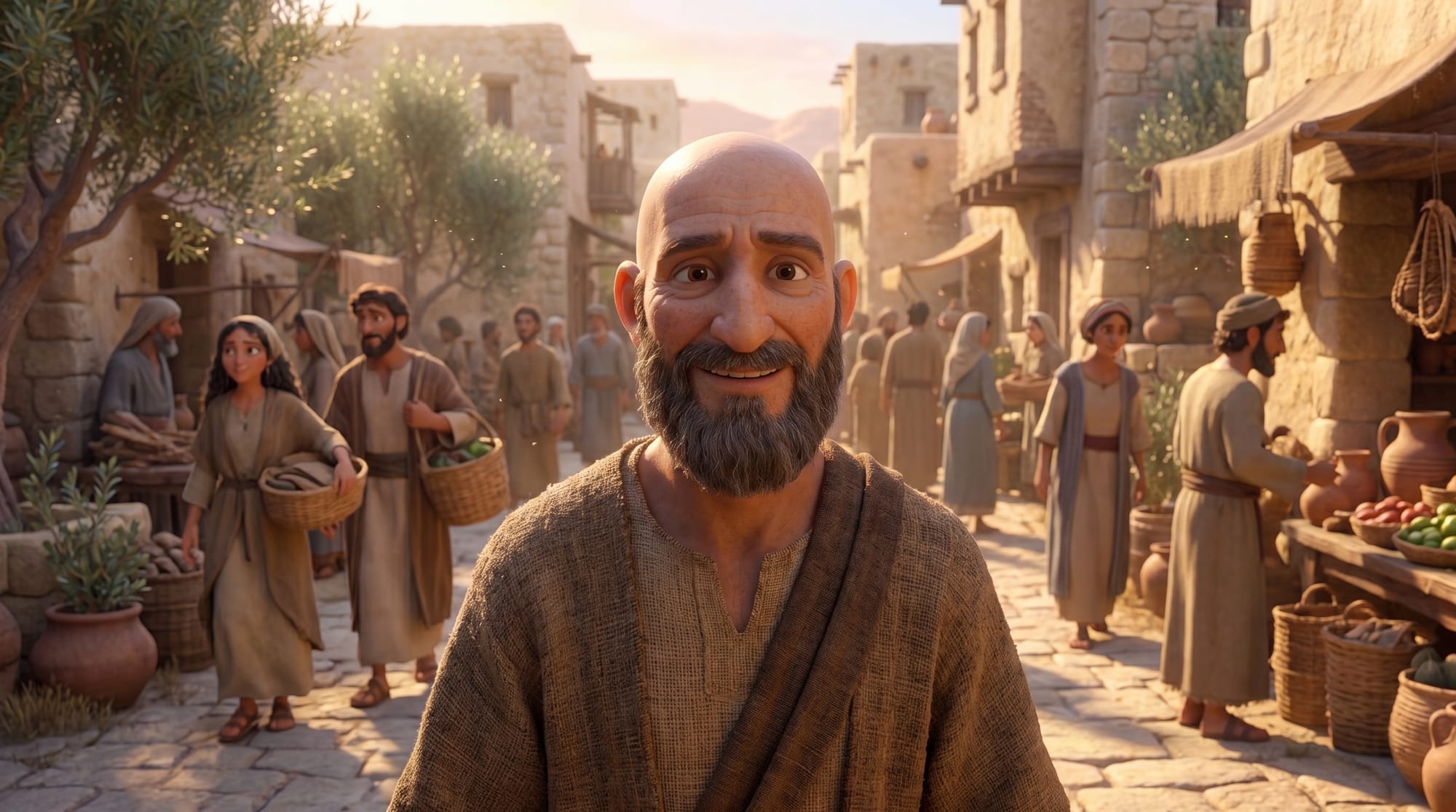
Sometime later, the Syrian army returns and places the capital city of Samaria under a brutal, suffocating siege. The starvation inside the walls becomes so horrifying that the economy completely collapses. King Jehoram blames Elisha for the misery and vows to execute him.
Elisha meets the king's anger with an absolutely staggering prophecy from the Lord: "Tomorrow about this time shall a measure of fine flour be sold for a shekel, and two measures of barley for a shekel, in the gate of Samaria." He is predicting that in less than 24 hours, the starving city will suddenly be overflowing with cheap, abundant food.
The king’s elite royal officer mocks the prophecy, sneering, "Behold, if the Lord would make windows in heaven, might this thing be?" Elisha looks him in the eye and delivers a chilling postscript: "Behold, thou shalt see it with thine eyes, but shalt not eat thereof."
That night, the Lord causes the Syrian army to hear a supernatural, terrifying noise of a massive fleet of chariots and horses. Convinced that Israel has hired Egyptian and Hittite mercenaries to wipe them out, the entire Syrian army panics and flees into the darkness, leaving their tents, horses, donkeys, and entire food supply completely intact. Four outcast Israelite lepers discover the abandoned camp, realize the city is starving, and run back to report the news.
The gates of Samaria are thrown open, and the desperate citizens rush out to plunder the camp. By that afternoon, the markets are flooded with cheap food, fulfilling Elisha’s prophecy to the exact penny and the exact hour. The cynical royal officer is appointed to control the traffic at the city gate, where the rushing crowd accidentally tramples him to death. He saw the abundance with his own eyes, but never got to taste a bite of it.
The takeaway for families: This story stands as the ultimate Old Testament case study on prophetic fulfillment. When the world says a promise is economically or physically impossible, the Lord reminds us in Doctrine and Covenants 1:38: "What I the Lord have spoken, I have spoken... whether by mine own voice or by the voice of my servants, it is the same." The words of the prophets aren't wishful thinking; they are history written in advance.
Appendix: Elisha Miracle & Christ-Shadow Matrix
| Miracle & Scripture | What Happened | How It Foreshadows Jesus Christ |
|---|---|---|
| Parting the Jordan 2 Kings 2:13–14 |
Elisha uses Elijah’s fallen mantle to part the river and pass through on dry ground. | Authority Manifested: Jesus begins His public ministry at this same river — the same authority over nature that Elisha received secondhand from Elijah's mantle, Christ holds outright. |
| Healing Jericho Waters 2 Kings 2:19–22 |
Elisha casts salt into a toxic, bitter spring, permanently purifying the city's main water source. | The Living Water: Jesus tells the woman at the well that He offers "living water" (John 4:14) — like Elisha, He heals what's contaminated at the source, not just the symptoms. |
| Water in the Desert 2 Kings 3:16–20 |
Miraculous water fills desert trenches without rain, saving three allied armies from dying of thirst. | Streams in the Desert: Isaiah describes the Messiah's kingdom as "streams in the desert" (Isaiah 35:6) — provision that shows up with no natural explanation for it. |
| Multiplying Widow's Oil 2 Kings 4:1–7 |
A single small jar of oil continuously flows until every borrowed vessel in the household is filled to the brim. | Grace Without Measure: "Of his fulness have all we received, and grace for grace" (John 1:16) — Christ's grace doesn't run out; we simply stop bringing vessels to hold more of it. |
| Raising the Dead Boy 2 Kings 4:32–37 |
Elisha travels to the house, lays over the cold corpse, and personally warms and revives the dead child, returning him to his mother. | The Resurrection and the Life: Directly parallels Luke 7:11-16, where Jesus raises the widow of Nain's son — approaching in person and reversing death with a touch. |
| Purifying the Poisoned Pot 2 Kings 4:38–41 |
Elisha casts meal into a communal stew pot containing a deadly, wild gourd, instantly curing the "death in the pot." | Healing the Lethal: Christ doesn't just dull sin's effects — He removes its power to kill. The stew doesn't become "less poisonous," it becomes safe to eat. |
| Multiplying Barley Loaves 2 Kings 4:42–44 |
Elisha feeds a crowd of 100 men with just 20 small barley loaves, leaving remnants and leftovers behind. | Feeding the Multitudes: The same miracle, scaled up: five loaves and two fish feed 5,000 in John 6:1-13, with baskets left over. |
| Healing Naaman's Leprosy 2 Kings 5:1–14 |
A foreign military commander is entirely cleansed of incurable leprosy by humbling his heart and washing in the Jordan. | Cleansing the Outcast: Leprosy was scripture's clearest picture of sin's isolation. Christ repeatedly touched and healed lepers, showing the same cleansing reaches the outcast. |
| The Floating Iron Axe Head 2 Kings 6:1–7 |
Elisha causes a heavy, sunken iron tool to completely defy natural gravity and float to the surface of the river. | Overcoming the Fall: Jesus said He came "to seek and to save that which was lost" (Luke 19:10) — recovering what had no natural way of coming back, the way iron doesn't float on its own. |
| Blinding the Attacking Army 2 Kings 6:18–20 |
Elisha strikes an invading army with temporary blindness, leads them away, and subsequently restores their clear sight. | Spiritual Vision: Christ said He came so "they which see not might see; and that they which see might be made blind" (John 9:39) — spiritual sight isn't about the eyes. |
| Prophesying Sudden Relief 2 Kings 7:1–16 |
Elisha correctly predicts a starving, besieged capital city will have cheap, overflowing food by tomorrow morning. | The Infallible Word: "My word... shall not return unto me void" (Isaiah 55:11) — a promise that holds even when circumstances make it look impossible. |
| The Post-Mortem Revival 2 Kings 13:20–21 |
A dead corpse instantly revives and stands up on its feet after accidentally brushing past Elisha's buried bones. | Life Beyond the Grave: Even contact with a symbol of covenant power reverses death — a preview that resurrection isn't reserved only for the righteous. |