Mordecai
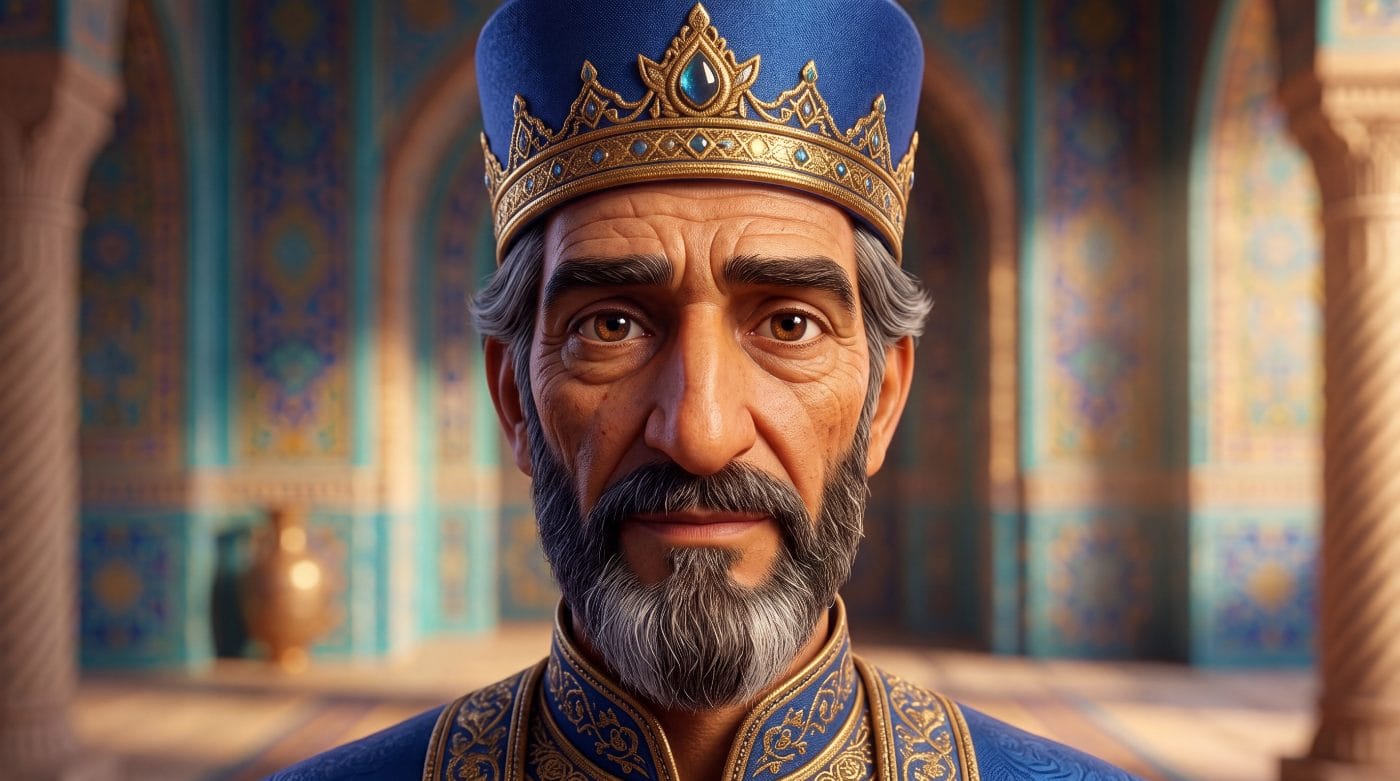
Mordecai was a Jewish man living in Persia who raised his orphaned cousin Esther and helped her save their people from destruction — all while refusing to bow to a wicked official named Haman.
“Then Mordecai commanded to answer Esther, Think not with thyself that thou shalt escape in the king's house, more than all the Jews. For if thou altogether holdest thy peace at this time, then shall there enlargement and deliverance arise to the Jews from another place; but thou and thy father's house shall be destroyed: and who knoweth whether thou art come to the kingdom for such a time as this?”
Esther 4:13–14
Mordecai at a Glance
- Mordecai was a descendant of Kish, of the tribe of Benjamin — the same tribe as Israel's first king, Saul.
- After his uncle and aunt died, Mordecai adopted their daughter Hadassah (Esther) and raised her as his own child.
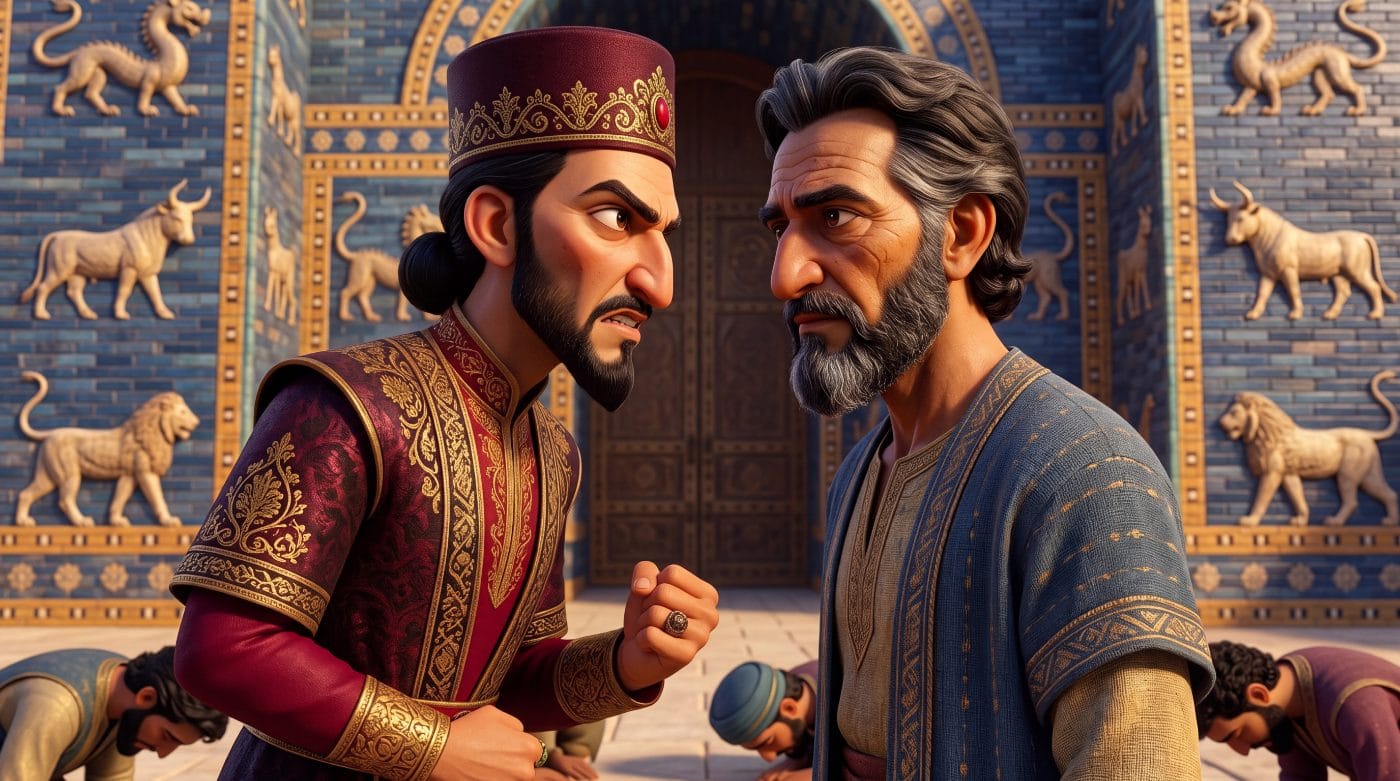
- Mordecai refused to bow down to Haman, a high official in the Persian court, which set off the entire crisis in the book of Esther.
- He uncovered a plot to assassinate King Ahasuerus (Xerxes) and reported it through Esther, an act that was recorded in the royal chronicles.
- After Haman's downfall, Mordecai was given Haman's position and signet ring, becoming second in power only to the king.
Mordecai’s Story
Mordecai was a Jewish man of the tribe of Benjamin living in Susa, the capital of the Persian Empire, during the reign of King Ahasuerus (likely Xerxes I). His family had been carried into exile from Jerusalem generations earlier. When his uncle and aunt died, Mordecai took in their daughter Hadassah — known by her Persian name, Esther — and raised her as his own. The book of Esther describes her as beautiful and well-loved, and Mordecai's care for her continued even after she was taken into the royal palace as a candidate for queen.
Mordecai's trouble began when he refused to bow down to Haman, a powerful official whom the king had elevated above all others. The text does not explain exactly why Mordecai refused — some scholars suggest it was a matter of religious conviction, since bowing to a man as though he were divine would have conflicted with Jewish faith. Whatever the reason, Haman was furious. When he learned Mordecai was Jewish, he decided that punishing one man wasn't enough — he would destroy all the Jews in the empire. He cast lots (called purim) to choose the best date and then convinced the king to issue a royal decree ordering their extermination.
When Mordecai learned of the decree, he mourned publicly in sackcloth and ashes and sent word to Esther, urging her to go before the king and plead for her people. Esther hesitated — approaching the king without being summoned was punishable by death. Mordecai's response became one of the most memorable speeches in all of scripture: he warned her that she would not escape simply because she lived in the palace, and then asked the piercing question that has echoed through centuries — "Who knoweth whether thou art come to the kingdom for such a time as this?" (Esther 4:14). Esther was moved. She asked Mordecai to gather the Jews of Susa to fast for her, and then she went to the king.
Meanwhile, Haman had built a tall gallows intending to hang Mordecai on it. But the night before Haman planned to ask the king's permission, the king couldn't sleep and had the royal records read to him. He heard the account of how Mordecai had once uncovered and reported an assassination plot — and realized Mordecai had never been rewarded. The next morning, Haman arrived at the palace, and before he could speak, the king asked him what should be done for a man the king wishes to honor. Haman, assuming the king meant him, suggested an elaborate public honor — and was then commanded to do exactly that for Mordecai.
After Esther revealed Haman's plot at a royal banquet, the king was enraged. Haman was hanged on the very gallows he had built for Mordecai. The king gave Haman's estate to Esther and his royal signet ring to Mordecai. A new decree was issued allowing the Jews to defend themselves, and they were saved. Mordecai and Esther established the feast of Purim to commemorate the deliverance, and Mordecai was recorded as a great man who "sought the wealth of his people, and spake peace to all his seed" (Esther 10:3).
Did You Know?
The name "Mordecai" may be connected to Marduk, the chief god of Babylon — a reminder that Jewish exiles in Persia often carried names shaped by the cultures around them, even while remaining faithful to their own God. This makes Mordecai's refusal to bow to Haman all the more striking: despite living deep inside a foreign empire, he held firm to his identity and convictions. The feast of Purim, which Mordecai and Esther established to celebrate the Jews' deliverance, is still observed by Jewish communities around the world today. The name comes from the Hebrew word pur, meaning "lot" — a reference to the lots Haman cast to choose the date of destruction. Every year at Purim, the book of Esther (called the Megillah) is read aloud, and listeners traditionally make noise with noisemakers whenever Haman's name is spoken. Mordecai's name, by contrast, is often greeted with cheers.
See Esther 3:7; 9:20–28; 10:3. For the meaning of 'Mordecai,' see various Bible dictionaries and commentaries on the book of Esther.
Lessons & Music Featuring Mordecai
 Shout For Joy Music • Come, Follow Me