Haman
also known as Haman the Agagite
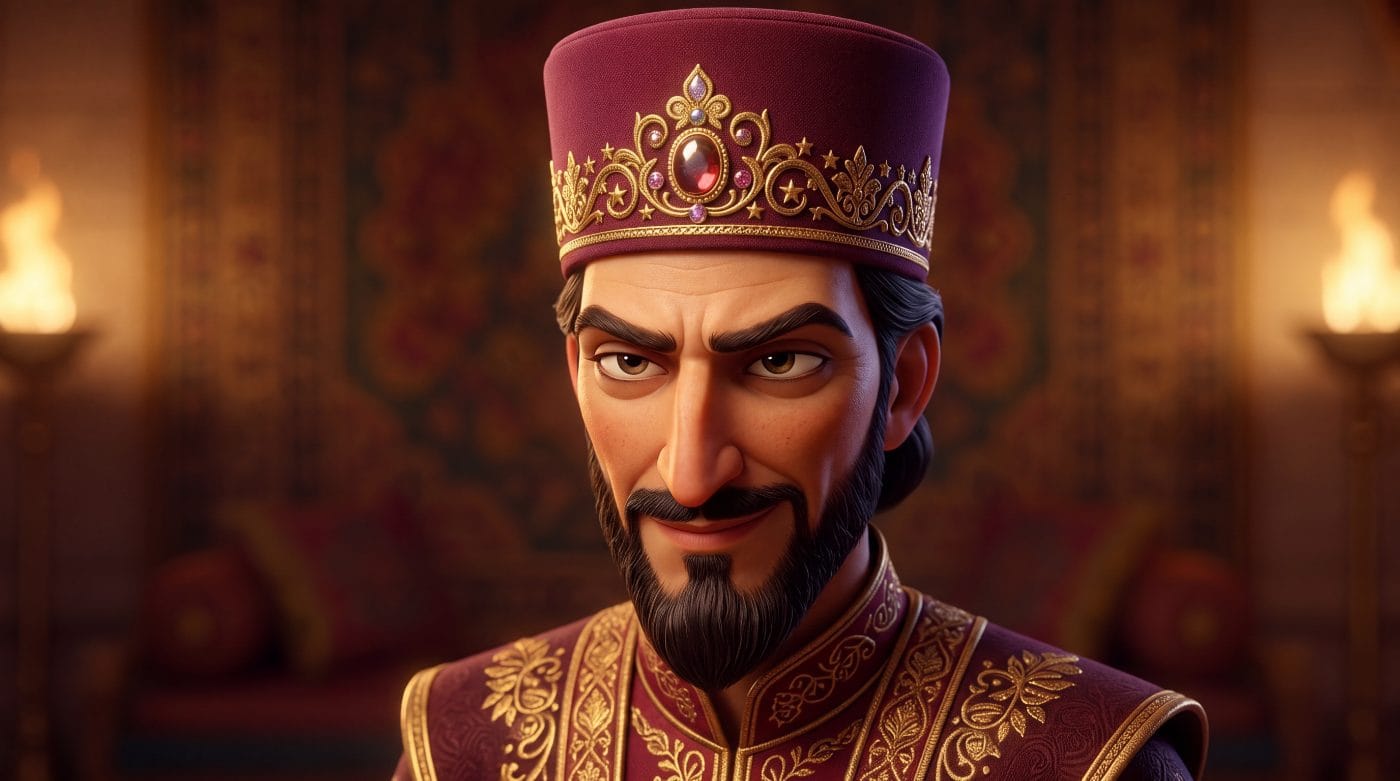
Haman was the chief official of the Persian king Ahasuerus who plotted to destroy every Jewish person in the empire — and was ultimately destroyed by his own scheme.
“So they hanged Haman on the gallows that he had prepared for Mordecai. Then was the king's wrath pacified.”
Esther 7:10
Haman at a Glance
- Haman was promoted by King Ahasuerus to the highest position in the Persian court, above all other officials.
- When Mordecai refused to bow down to him, Haman became so enraged that he decided to kill not just Mordecai but every Jewish person in the entire empire.
- Haman cast lots (called 'Pur') to choose the best day for his planned massacre, which is why the Jewish festival celebrating his defeat is called Purim.
- Haman built a tall gallows — traditionally said to be about 75 feet high — specifically to hang Mordecai on.
- Through Esther's courage and God's providence, Haman's plot was exposed, and he was hanged on the very gallows he had built for Mordecai.
Haman’s Story
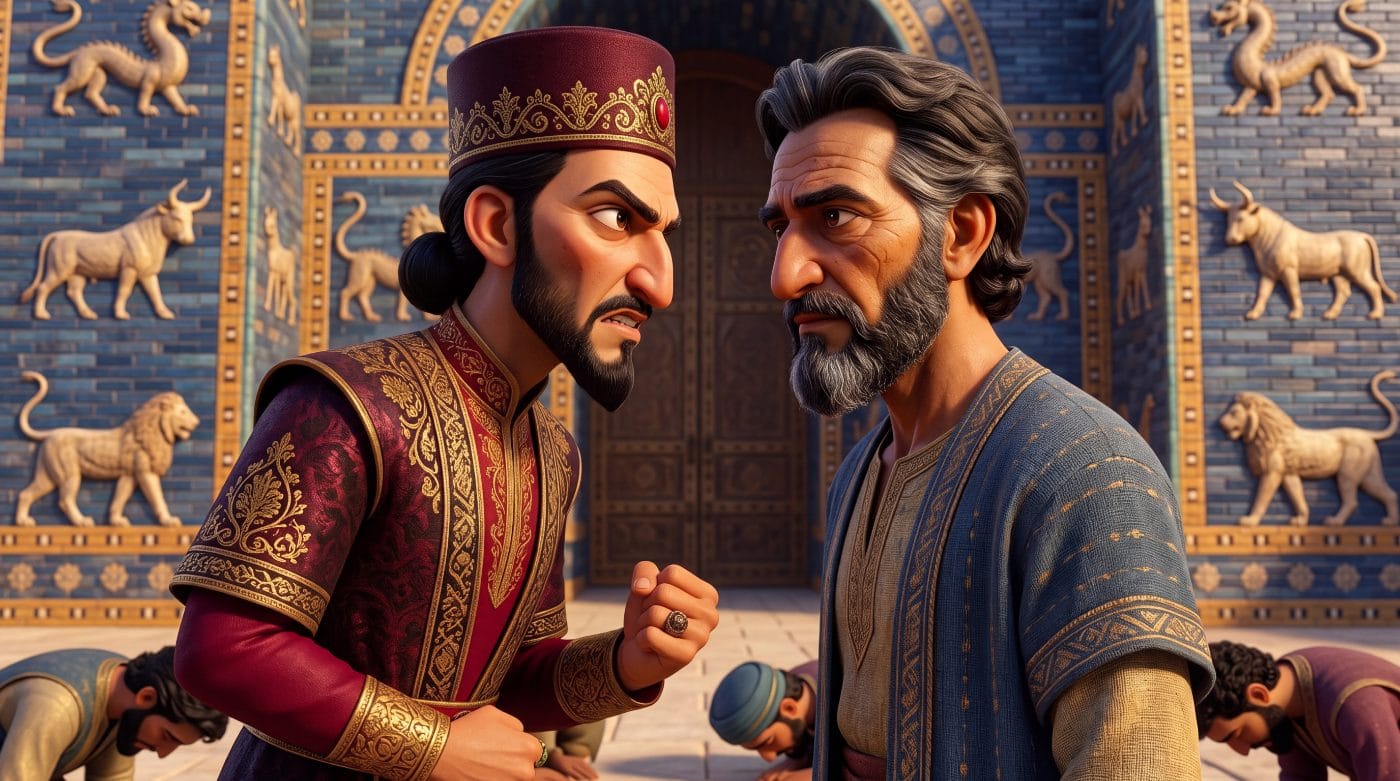
Haman appears in the book of Esther as one of scripture's most memorable villains. He held the highest office in the court of the Persian king Ahasuerus, and the king had commanded that all royal servants bow before him. Most people did — but Mordecai, a Jewish man who served at the palace gate, refused. The Bible doesn't explain exactly why Mordecai wouldn't bow, but his refusal was enough to send Haman into a fury.
Rather than simply punishing Mordecai, Haman's pride drove him to something far darker: he decided to wipe out every Jewish person living in the Persian Empire. He went to King Ahasuerus with a carefully crafted argument — that the Jewish people followed their own laws rather than the king's, and that it would be in the king's interest to destroy them. The king, apparently without asking who these people were, handed Haman his signet ring and told him to do as he pleased. Haman then sent royal decrees across all 127 provinces of the empire, ordering the destruction of the Jewish people on a specific date chosen by casting lots.
What Haman didn't know was that the queen herself, Esther, was Jewish. When Mordecai learned of the decree, he urged Esther to go before the king and plead for her people. After fasting and praying, Esther approached the king and invited him and Haman to a private banquet — and then another. Meanwhile, Haman's hatred of Mordecai was consuming him. At his wife Zeresh's suggestion, he built a towering gallows and planned to ask the king's permission to hang Mordecai the very next morning.
But that night, the king couldn't sleep. He had his servants read to him from the royal records, and they happened to read about a time when Mordecai had uncovered and reported a plot to assassinate the king — a service that had never been rewarded. The next morning, when Haman arrived at the palace to ask about hanging Mordecai, the king asked him what should be done for a man the king wishes to honor. Haman, assuming the king meant him, suggested a grand public ceremony. The king then told him to do exactly that — for Mordecai. Haman was forced to lead his own enemy through the city streets in honor.
At Esther's second banquet, she finally revealed Haman's plot and identified him as the enemy of her people. The king was furious. When he stepped outside to calm down, Haman threw himself on Esther's couch to beg for mercy — and the king returned to find him there, which only made things worse. One of the king's servants pointed out the gallows Haman had built for Mordecai, and the king ordered Haman hanged on it immediately. Haman's ten sons were also later executed. Mordecai was given Haman's position, and the Jewish people were saved. The festival of Purim has been celebrated ever since to remember this remarkable reversal.
Did You Know?
Haman is called 'the Agagite' in the book of Esther, which many scholars believe links him to Agag, the Amalekite king whom the Israelite king Saul failed to destroy centuries earlier (see 1 Samuel 15). If that connection is intentional, the author of Esther may be drawing a deliberate parallel: an ancient enemy of Israel resurfaces, and this time a descendant of Saul's tribe (Mordecai is identified as a Benjaminite) finishes what Saul left undone. It's the kind of literary detail that rewards careful readers. The lots Haman cast to choose the date of his massacre are called 'Pur' in Hebrew (plural: Purim). This is where the Jewish festival of Purim gets its name — a celebration that Jews still observe today, typically with costumes, noisemakers, and the public reading of the entire book of Esther. Tradition holds that whenever Haman's name is read aloud, the audience stamps their feet and uses noisemakers (called graggers) to drown out his name.
See Esther 3:1; 9:24–26; 1 Samuel 15:8–9; Bible Dictionary, 'Purim.'
Lessons & Music Featuring Haman
 Shout For Joy Music • Come, Follow Me