October 19–25: "Before I Formed Thee in the Belly I Knew Thee" (Jeremiah 1–3; 7; 16–18; 20)
Jeremiah was known before he was formed, called before he could speak, and given a fire he could not put out — and this week's Come, Follow Me study asks whether that same fire is burning in your family today.
Your Game Plan for This Week
Here is the thing about Jeremiah's calling that should stop you mid-scroll: God did not discover Jeremiah. He did not audition him or settle for him. He knew him — personally, specifically, before the world had a chance to form an opinion. That is not a poetic flourish. That is Restoration theology in the Old Testament. We believe in a premortal life where covenants were made and missions were shaped. Jeremiah 1:5 is not a surprise to Latter-day Saints — it is a confirmation.
'Before I Formed Thee' takes that ancient decree and puts it in your chest. Every excuse Jeremiah offered — too young, wrong words, wrong moment — the Lord answered with the same counter: I already knew you. The fire I placed in you is not a mistake. That is the song's central argument, and it is the week's central argument too. Your family's calling, your children's potential, your own sense of inadequacy in the face of what God is asking — all of it gets reframed when you understand that the story was written before the curtain went up.
'Living Water' then asks the follow-up question: if you already have access to the real thing, why are you still digging cracked wells? Jeremiah watched his people exhaust themselves chasing every political alliance and idol that promised security, while the living fountain sat untouched. Both songs this week are really about the same invitation — come back to what is true, come back to who you actually are, and let the fire burn.
15-Minute Family Home Evening
Monday night — your launch for the week.
-
Ask this to open. Take 2–3 responses, then move on.2 minOpening QuestionHas anyone ever been asked to do something that felt way too big for you — and your first instinct was to say 'you've got the wrong person'?
-
Read this together:2 minSet the StageAround 627 BC, a young man from a small priestly village called Anathoth got a visit he never asked for. No angel with a scroll, no burning bush — just a word, direct and personal: 'Before I formed thee in the belly I knew thee; and before thou camest forth out of the womb I sanctified thee, and I ordained thee a prophet unto the nations.' Jeremiah's first response was immediate and honest: wrong guy. 'I cannot speak: for I am a child.' He wasn't being humble for show — he was genuinely terrified. The calling ahead of him was enormous. He would preach to kings, confront priests, and watch his entire nation collapse over a forty-year ministry. He would be beaten, imprisoned, and thrown into a muddy cistern to starve. And he would do all of it alone.Jeremiah 1:5Before I formed thee in the belly I knew thee; and before thou camest forth out of the womb I sanctified thee, and I ordained thee a prophet unto the nations.
-
Press play — watch together:3 min
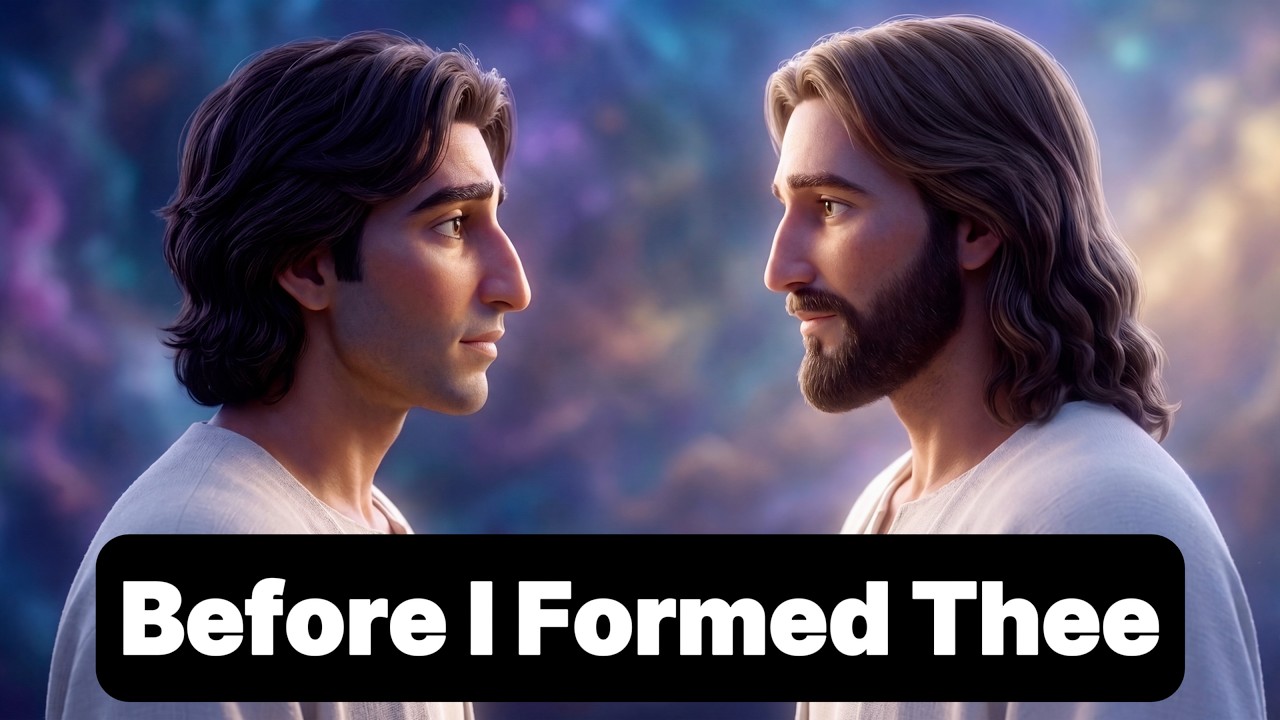
🎵 Before I formed thee in the belly, I knew thee! Poured out a fire that is burning right through thee! Ordained to the nations to stand in the fight, A pillar of iron, a beacon of light!
Dive Deeper: Before I Formed Thee -
Read the Big Idea together:2 minBig Idea Known Before You Were Born
God didn't call Jeremiah because Jeremiah felt ready — He called him because He had known him, prepared him, and set him apart long before Jeremiah ever had a chance to doubt himself. Latter-day Saint theology teaches that this is not just Jeremiah's story: every person was known and prepared in a premortal life before coming to earth with a real purpose to fulfill. This week, when the excuses start piling up — I'm too young, I'm not good enough, nobody will listen to me — remember that your calling is older than your doubts, and the God who knew you before you were born is still the one walking beside you now. -
Ask your family:3 minReflect TogetherIf God told you tonight that He had known you and prepared you for something specific before you were even born, what do you think that something might be — and does that idea feel exciting, scary, or both?
-
Do this activity together:5 min
Fire in the Bones Freeze
Try This: One person is the 'Prophet' and stands in the middle of the room. Everyone else spreads out and starts moving around freely. The Prophet calls out a challenge Jeremiah faced — 'thrown in the cistern!', 'scroll burned!', 'put in the stocks!' — and everyone has to freeze in a pose that shows how they'd feel in that moment. The Prophet picks the most expressive frozen statue, and that person becomes the next Prophet. Keep going until everyone has had a turn. Speed it up as you go — the faster the calls, the sillier and more dramatic the freezes get!
Reflect: After the game, sit down together and ask: which challenge would have been hardest for YOU to face? Then talk about this — Jeremiah faced every single one of those things and kept going anyway. What kept him going? (Hint: Jeremiah 20:9 has the answer.)
-
Close together: Say a family prayer. Then enjoy a special treat as a family.2 min
20-Minute Primary / Sunday School
Lead with Living Water.
-
Ask this to open. Take 2–3 responses, then move on.3 minOpening QuestionHas anyone ever worked really hard to get something — a drink, a snack, a solution to a problem — only to find out it didn't actually satisfy you the way you thought it would?
-
Read this together:2 minSet the StageIn ancient Judah, water wasn't a convenience — it was survival. And there were two ways to get it: a living spring that pushed up from deep underground, always fresh, always flowing, never dependent on the weather — or a cistern, a pit carved into limestone and plastered smooth to catch rainwater. Clever engineering. Real effort. But plaster cracks. Seasons dry up. And when a cistern fails, you're left with a hole in the ground and a desperate thirst. God brought Jeremiah to the temple courts with a devastating diagnosis: Judah had abandoned the living spring — the Lord Himself — and spent all their energy hacking out cisterns that couldn't hold water. They chased foreign alliances, idol worship, and glittering promises from surrounding nations. Every single one of those wells came up empty.Jeremiah 2:13For my people have committed two evils; they have forsaken me the fountain of living waters, and hewed them out cisterns, broken cisterns, that can hold no water.
-
Press play — watch together:3 min
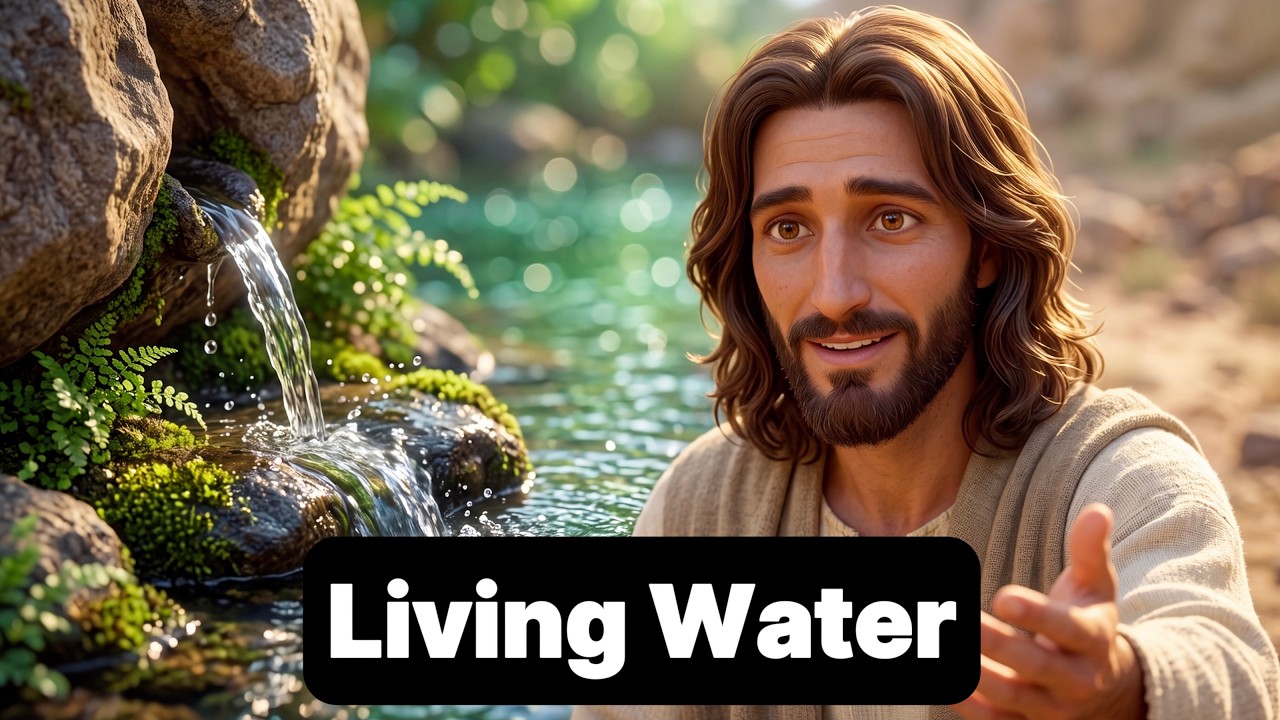
🎵 Leave the broken cisterns in the dust behind! / Drink of the river that was made for your mind! / The fountain of living water never runs dry, / Flowing from the heavens where the springs don't die!
Dive Deeper: Living Water -
Ask this. Give the class a moment to think before taking responses.3 minPivot QuestionWhy do you think the people of Judah kept digging their own cisterns even when those cisterns kept failing them?
-
Keep going:4 minFollow-UpWhat is something in your own life that you keep going back to even when it doesn't really fill you up? What would it look like to turn back toward the spring instead?
-
Liken it unto yourself. Hand each student a slip of paper. Give 2 minutes to write, then 2–3 share with the class.5 minLiken Unto YourselfWhat is one cistern — one source of satisfaction or security — that you've been maintaining lately that keeps coming up empty, and what would it look like to lay that bucket down?
-
2 minClose With ThisThe fountain never stopped running. That is the whole point. No matter how long we've been digging in the wrong places, the living water is still there — still offered, still enough, still flowing from a source that doesn't depend on the weather or our worthiness to deserve it.
-
Optional Activity — use if you have extra time or a younger class:5 min
Broken Cistern Tag
Try This: Clear a little space in the living room or backyard. One person is the 'Living Water' — they stand in the center as the safe zone (the spring). Everyone else starts at the edges as 'travelers.' On go, travelers try to run to the Living Water without getting tagged by one or two 'Broken Cisterns' (designated taggers wearing a sock on their wrist or holding a pillow). If you get tagged, you freeze and mime scooping water from a cracked bucket. A free traveler who reaches the Living Water can unfreeze you with a tap. Play a few rounds, then switch roles. The chaos is the point — it's genuinely hard to get to the spring when broken things keep getting in the way.
Reflect: After you catch your breath, ask: what are some 'broken cisterns' in real life — things we chase that promise to fill us up but never quite do? What does it actually feel like when you finally get to the real thing?
Week Schedule
You don't have to do all seven — pick what fits. Monday launches, Sunday caps. Tap any day to expand or collapse.
This Week's Fireside Moment
The full story behind the songs — in one sitting.

Watch & Listen
Before I Formed Thee
What the song does next is what the Lord did next: it doesn't argue with the excuses. It simply overrides them with something older and larger. The pre-chorus drops the phrase 'ancient decree' — and that's not poetic decoration. Latter-day Saint theology teaches that foreordination is real, that we were known and prepared before this life began. Alma 13 in the Book of Mormon and Doctrine and Covenants 138 both point to a premortal existence that was purposeful, not passive. The chorus erupts out of that doctrine: 'Before I formed thee in the belly, I knew thee!' It's not a comfort song. It's a commissioning.
By the bridge, the song has moved from Jeremiah's reluctance to his famous confession in chapter 20 — the word of the Lord burning in his bones like a fire he could not contain. Your kids will be shouting 'A fire in my bones!' before they fully understand what it means, and that's exactly the point. The understanding catches up to the declaration. One sentence for today: every child singing this song is being reminded that they, too, were known before they were born — and that the calling on their life is older than their excuses.
Want the full story? Read the complete Fireside Moment or explore the Lyric-Scripture Blueprint in our Joy Tier Deep Dive.
Lyric–Scripture Blueprint (Preview)
Did you know these lyrics come straight from the scriptures?
Explore the full Lyric–Scripture Blueprints and deeper activities in the Joy Tier.

Living Water
The ancient cistern was a marvel of engineering — limestone carved out, plastered smooth, designed to catch and hold every drop of precious rainwater. But plaster cracks. Seasons change. And a cistern, no matter how well-built, can only hold what falls into it from outside. A living spring, by contrast, pushes up from a source that doesn't depend on the weather. Jeremiah's point was devastating in its simplicity: Judah had traded the inexhaustible for the merely clever.
Living Water takes that ancient indictment and walks it straight into the present tense. The 'thousand cracked wells' in verse one aren't relics of Bronze Age religion — they're the billboard promises, the approval loops, the comfort habits we maintain with enormous effort and that keep coming up empty. The song doesn't linger in the shame of the dry cistern, though. It pivots fast and hard to the pre-chorus: 'Turn around, traveler, come back to the spring.' The fountain is still there. It never stopped running. The Savior offered the same water to a woman at a well in Samaria, and He's offering it still — through covenant, through the Holy Ghost, through the gathering He's been orchestrating since Jeremiah first put the image into words.
This song is a road-trip anthem for people who are tired of digging.
Want the full story? Read the complete Fireside Moment or explore the Lyric-Scripture Blueprint in our Joy Tier Deep Dive.

Listen Everywhere


Miss last week?
Every lesson stands on its own — but together, they tell one continuous story.
 Bob LeBaron

Don’t Stop the Music
The Joy Tier starts right here. Go deeper into this week’s scripture story and explore the meaning behind the songs.
Inside Joy you’ll find:
- A weekly Fireside Moment overview of the Come, Follow Me lesson
- Expanded Set the Stage teaching guides for every song
- Choose Your Adventure family activities and simple weekly habits
- Lyric–Scripture Blueprints, printable coloring pages, and lyric sheets
- Cinematic reflection videos designed for quiet viewing and discussion
Access Joy below to turn this week’s song into a weeklong experience of scripture, music, and family conversation.