March 23–29: “I Have Remembered My Covenant” (Exodus 1-6)
After 400 years, Israel is enslaved by a Pharaoh who "knew not Joseph." To save them, God sends an 80-year-old shepherd. This week’s story teaches us that God hears our cries, remembers His covenants, and empowers the most unlikely people to do His greatest work.
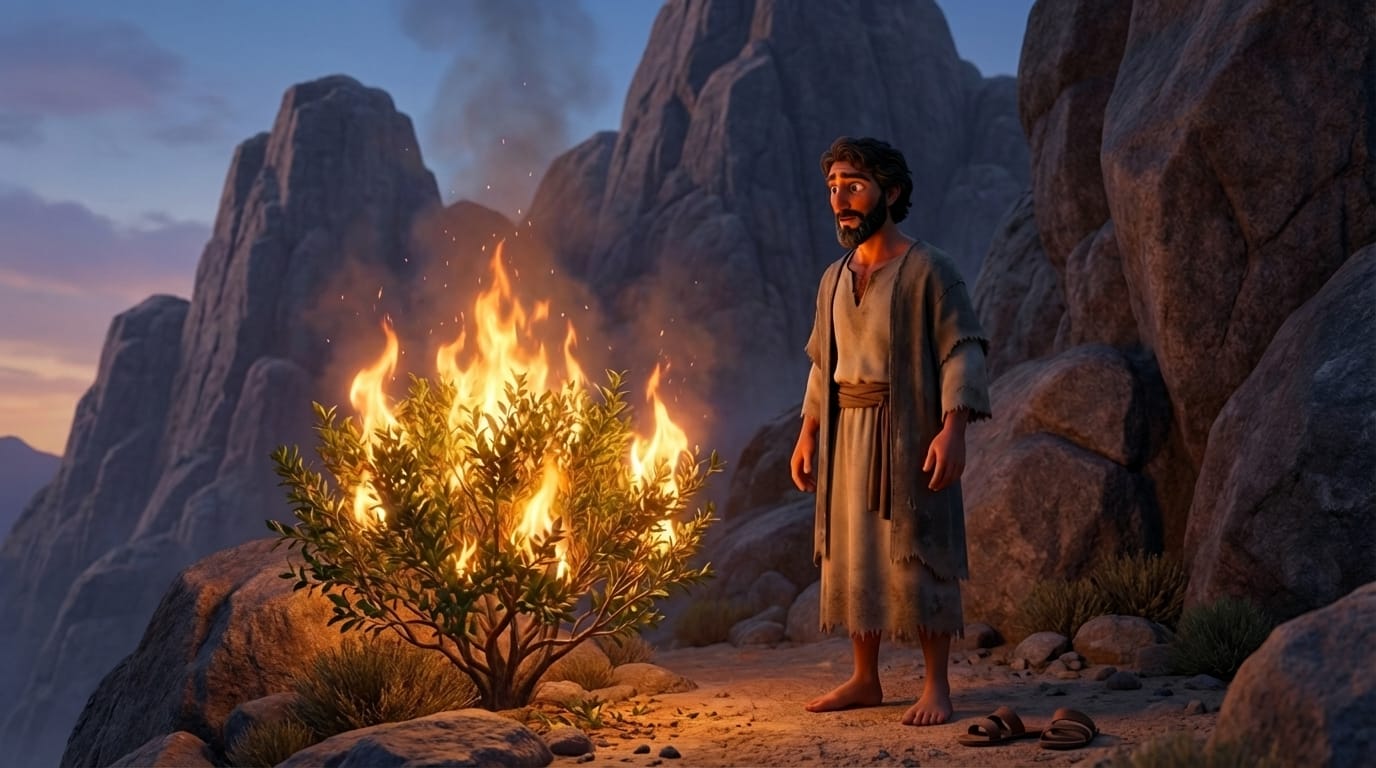
Encountering the Divine
"Take off your shoes.
You're standing on Holy Ground."
God often interrupts our ordinary routines with extraordinary grace. Just as Moses had walked the same dusty mountain countless times before it became a sacred sanctuary, we can learn to recognize the presence of the Lord in our own lives and treat His calling with profound reverence.
Set the Stage: The Fire in the Scrub
Moses had spent 40 years as a prince in Egypt, followed by 40 years hiding as a humble shepherd in the wilderness of Midian. One day, while tending his flock near the jagged peaks of Mount Horeb, he noticed a desert bush engulfed in swirling flames—yet the leaves were not burning. As he approached this impossible sight, the voice of the Lord called to him directly out of the fire, commanding him to remove his sandals.
The Big Idea: Holy Ground
Why did God ask Moses to take off his shoes? In the ancient world, removing your shoes was a sign of deep respect and servitude. But it’s also highly symbolic: shoes carry the dirt, dust, and grime of the world. By taking them off, Moses was leaving the "world" outside to step cleanly into the presence of God. When we enter holy places today—like the temple, our chapels, or even during family prayer—we are invited to leave the "dust" of our worldly distractions behind.

Scripture Bridge
Lyric Highlight
"He said: Take off your shoes!
You gotta take off your shoes!
You’re standing on Holy Ground.
Look at the Love you found.
Don't you run, don't you hide, don't you turn around..."
Reflect: Moses had to turn aside from his daily work to notice the burning bush. What are some "burning bushes" or quiet miracles God might be placing in your life right now? How can you show more reverence for the holy things and holy places in your life?
Family Activity
Try This: Have everyone take off their shoes at the front door before coming into the living room for a family devotional or prayer. Talk about what it feels like to leave your shoes behind. Discuss how our home can be a "holy place" where the Spirit of the Lord dwells.
Reflect: What specific "worldly dust" (like phones, arguments, or bad media) do we need to leave at the door to make sure our home stays a sacred sanctuary?
Watch & Listen
Too Many Babies
But these women feared God more than they feared the king. They cleverly defied Pharaoh's orders, risking their own lives to save the next generation of Israelites. When Pharaoh questioned them, they bravely made excuses to protect the babies. This song celebrates their quiet courage, reminding us that true bravery often means doing the right thing and protecting the vulnerable, even when the person asking you to do wrong wears a crown.
Want the full story? Read the complete Fireside Moment or explore the Lyric-Scripture Blueprint in our Joy Tier Deep Dive.
 Shout for Joy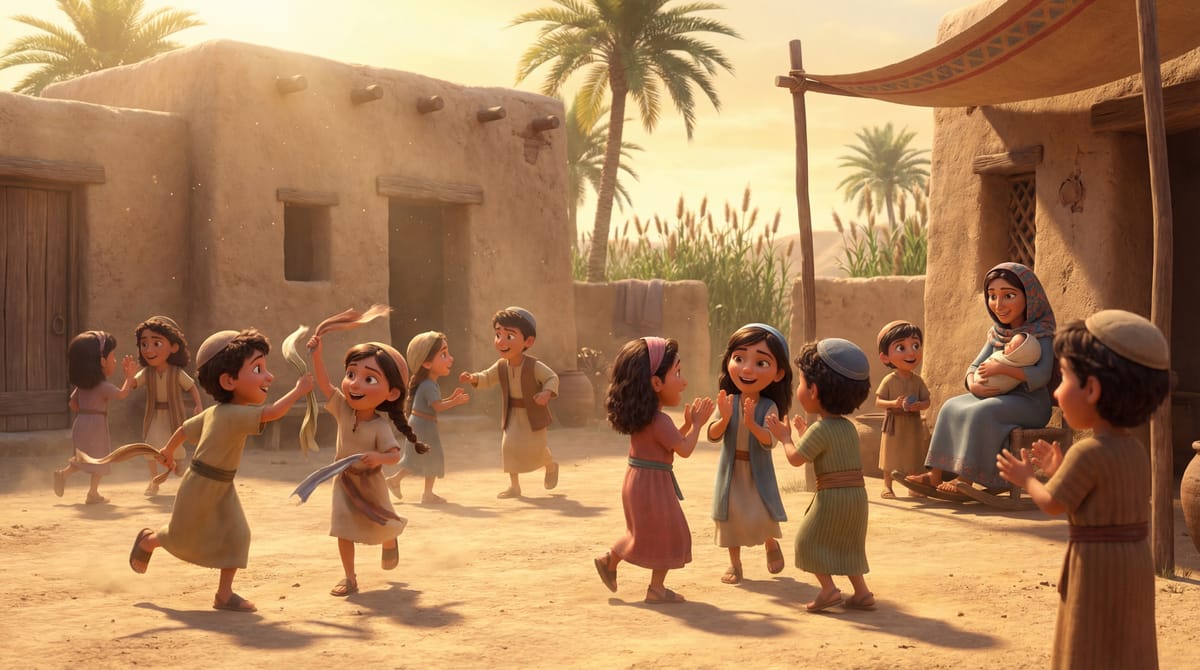
Holy Ground
In the ancient world, removing your shoes was a sign of deep respect. It meant leaving the dirt and "dust" of the world outside so you could step cleanly into God's presence. This song explores the amazing moment an ordinary, dusty mountain slope was instantly transformed into a sacred sanctuary. It teaches us that God can interrupt our ordinary routines at any moment, and reminds us to treat His presence with profound reverence.
Want the full story? Read the complete Fireside Moment or explore the Lyric-Scripture Blueprint in our Joy Tier Deep Dive.
Lyric–Scripture Blueprint (Preview)
Did you know these lyrics come straight from the scriptures?
Explore the full Lyric–Scripture Blueprints and deeper activities in the Joy Tier.
| LYRIC HIGHLIGHT | SCRIPTURE BRIDGE |
|---|---|
| "He said: Take off your shoes! / You gotta take off your shoes! / You’re standing on Holy Ground." | Exodus 3:5 — "And he said, Draw not nigh hither: put off thy shoes from off thy feet, for the place whereon thou standest is holy ground." |
 Shout for Joy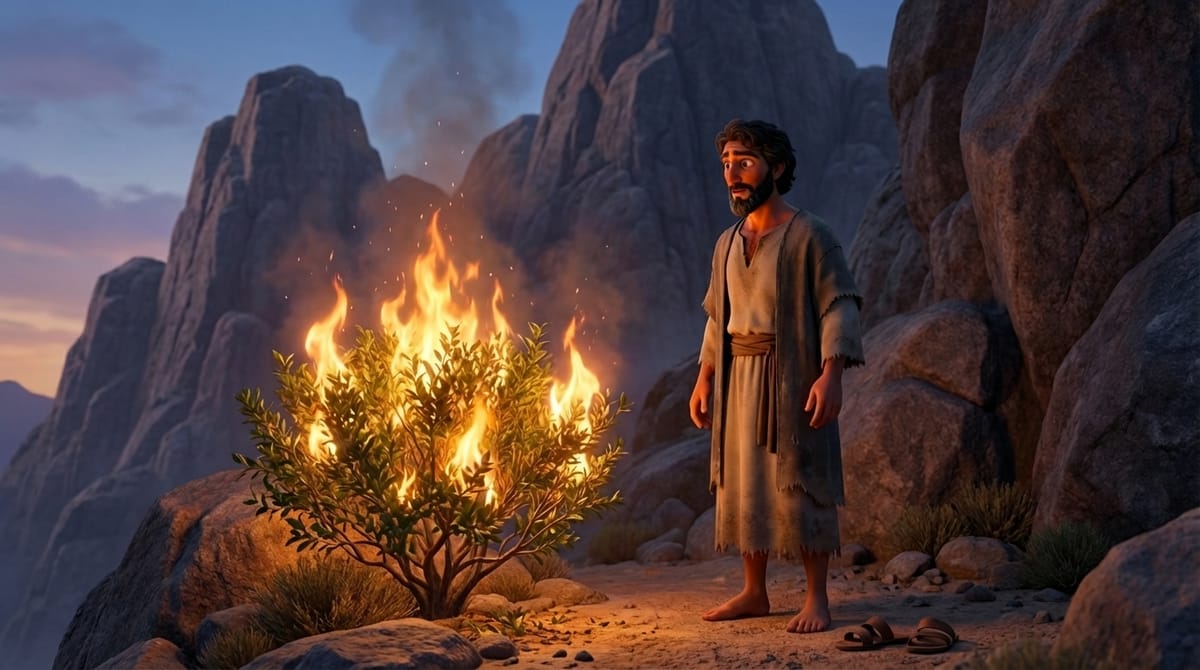
Send Someone Else
But God didn't give up on him, and He didn't expect Moses to rely on his own natural talents. God promised to give Moses the power to do the miracles, the words to say, and even provided his brother Aaron to help him speak. This song explores the very real battle between human fear and divine faith. It reminds us that when God asks us to do hard things, He doesn't expect us to be perfect—He just asks us to trust that He will empower us to do His work.
Want the full story? Read the complete Fireside Moment or explore the Lyric-Scripture Blueprint in our Joy Tier Deep Dive.
 Shout for Joy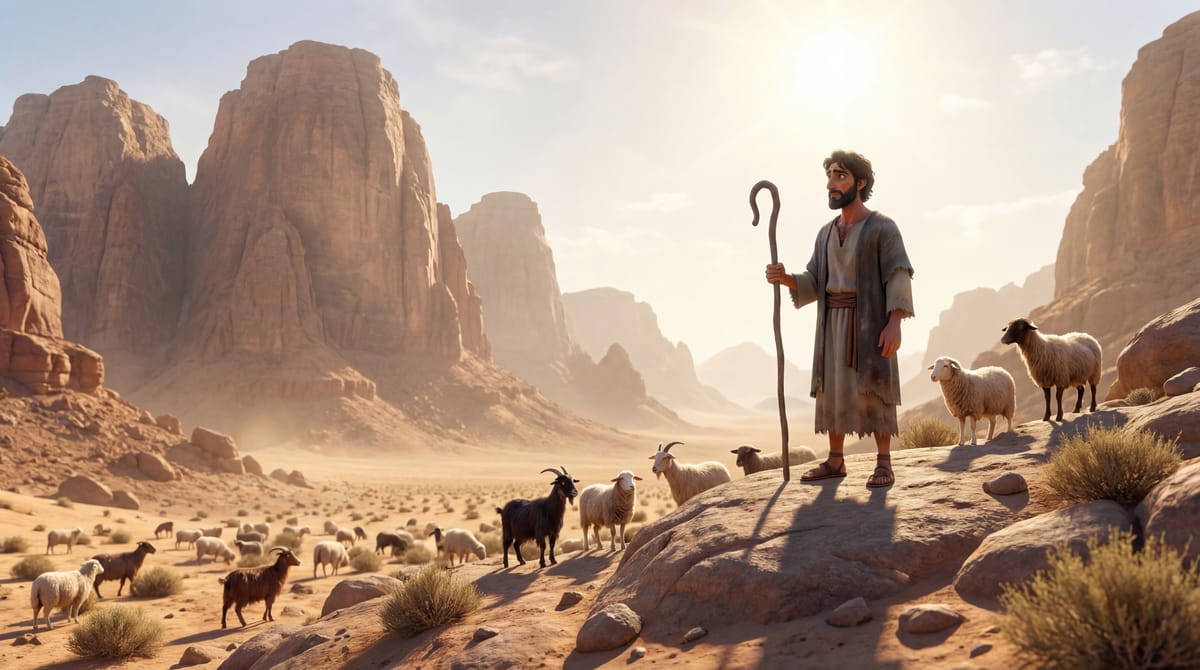
Watch Me Work
When the exhausted people inevitably failed, they were beaten, and they angrily blamed Moses for making their miserable lives even harder. Moses felt entirely defeated and cried out to God. But God was not panicking; He was setting the stage for a miracle so massive the world would never forget it. This song celebrates the Lord's promise to step in and redeem His people with a "stretched-out arm," showing Egypt and the Israelites exactly who was in charge.
Want the full story? Read the complete Fireside Moment or explore the Lyric-Scripture Blueprint in our Joy Tier Deep Dive.
 Shout for Joy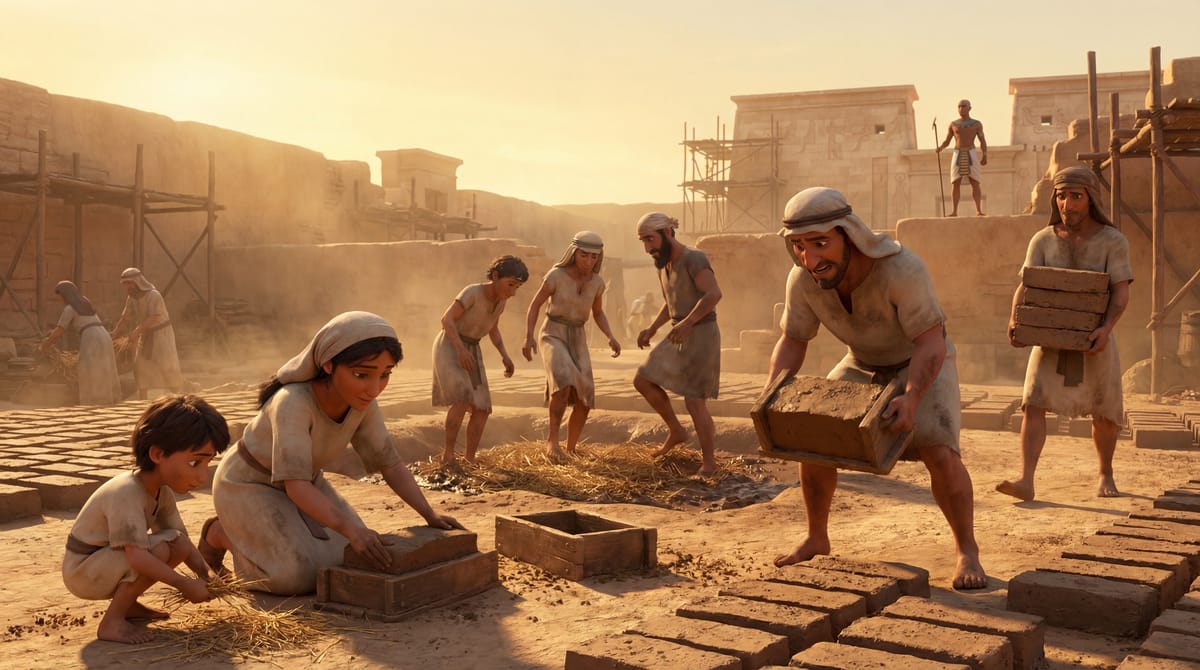
Continue the journey
 Shout for Joy
Miss last week?
Every lesson stands on its own — but together, they tell a bigger story.
 Shout for Joy
Don’t Stop the Music
The Joy Tier starts right here. Go deeper into this week’s scripture story and explore the meaning behind the songs.
Inside Joy you’ll find:
- A weekly Fireside Moment overview of the Come, Follow Me lesson
- Expanded Set the Stage teaching guides for every song
- Choose Your Adventure family activities and simple weekly habits
- Lyric–Scripture Blueprints, printable coloring pages, and lyric sheets
- Cinematic reflection videos designed for quiet viewing and discussion
Access Joy below to turn this week’s song into a weeklong experience of scripture, music, and family conversation.