Fireside Sample








Old Testament Character Encyclopedia

Esther
also known as Hadassah
| tribe | Benjamin |
| role | Queen of Persia |
| era | c. 480–470 BC |
| scripture | Esther 2–10 |
| contemporaries | Mordecai, Xerxes, Haman |
“So will I go in unto the king… and if I perish, I perish.”
Esther 4:16
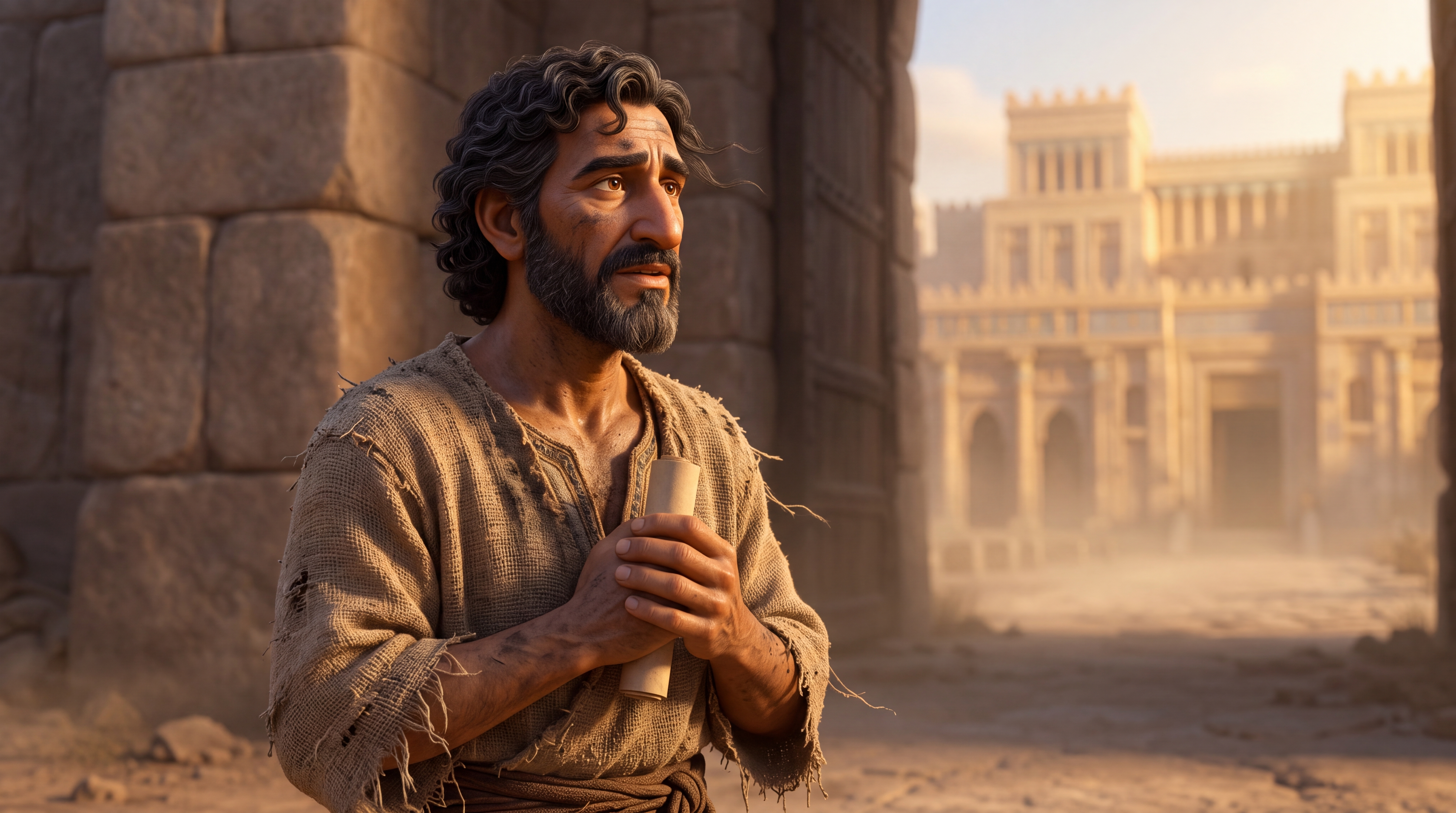
Esther was a Jewish orphan, raised by her cousin Mordecai in the Persian capital of Susa. She lived around 480–470 BC, during the reign of Xerxes I — after Jerusalem had been conquered by Babylon, and after Babylon itself had fallen to Persia. She and Mordecai were of the tribe of Benjamin, descended from Kish, the father of King Saul.
Though the Book of Esther is placed before the Book of Daniel in most Bibles, her story actually happens later — after Daniel's ministry, and after Zerubbabel and Jeshua had already led the first group of exiles back to Jerusalem and rebuilt the temple. It comes before Nehemiah and Ezra returned to rebuild the walls of Jerusalem.
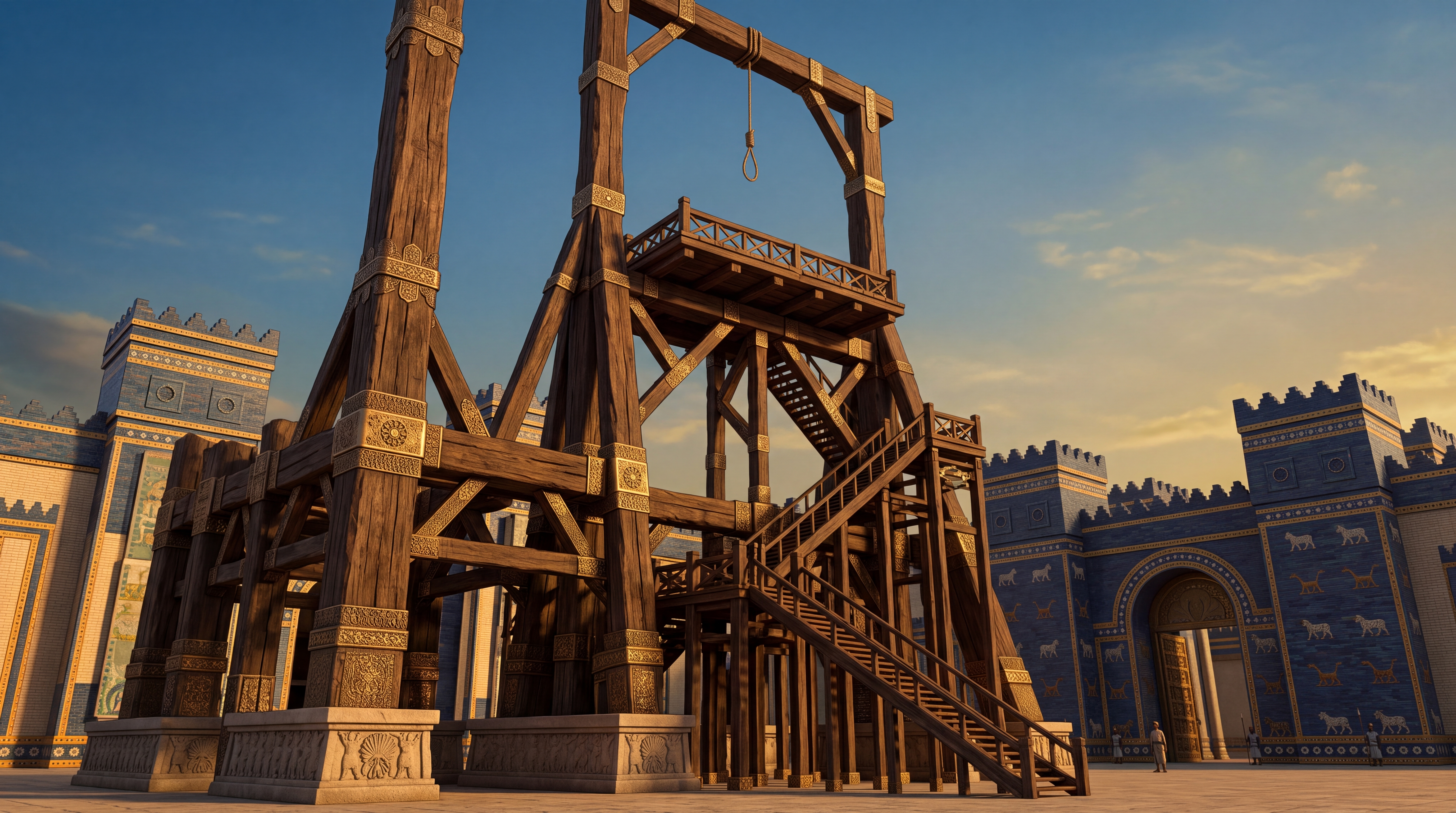
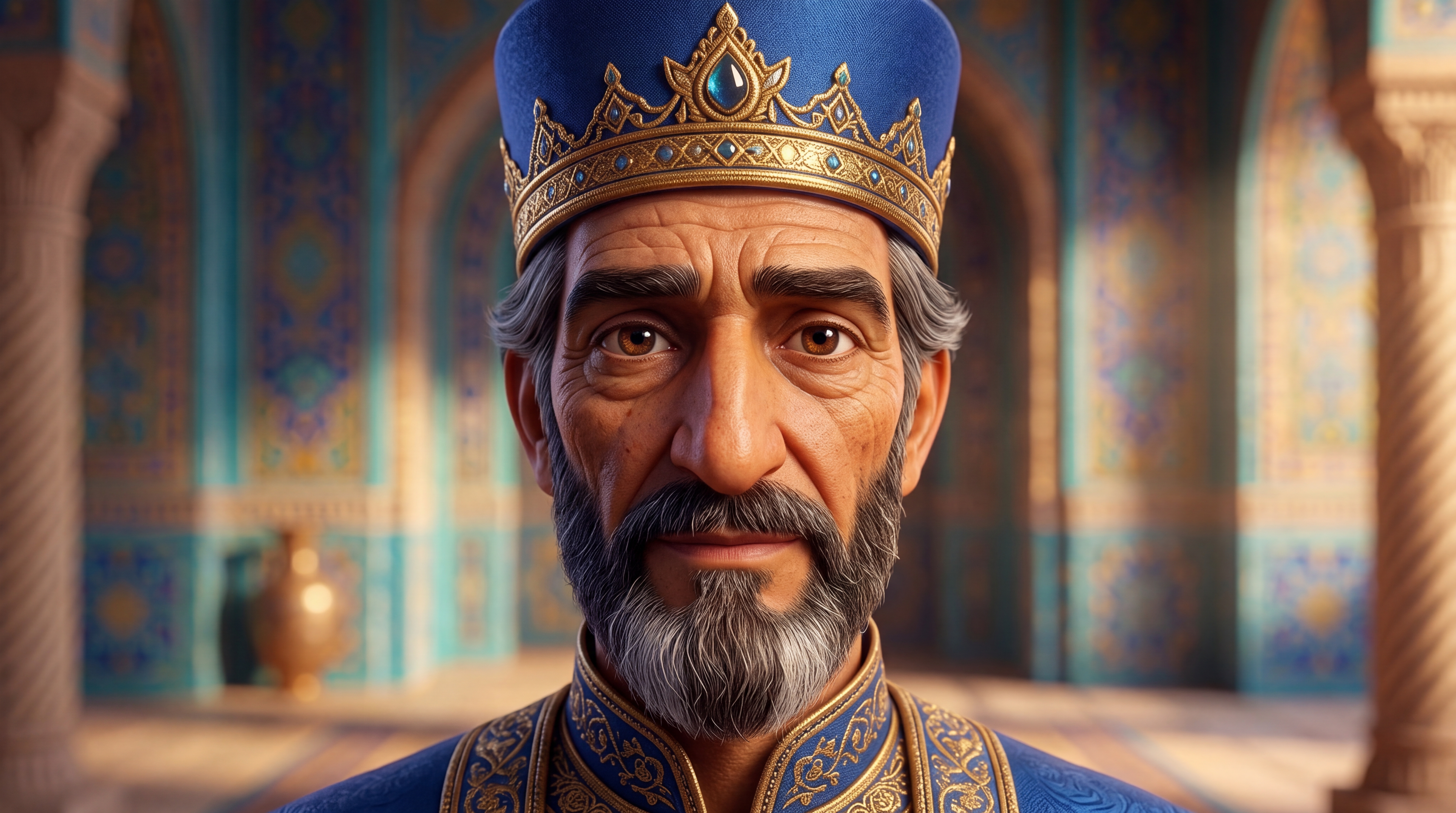
Esther was taken into the king's harem after Xerxes deposed Queen Vashti, and was chosen as the new queen without the king knowing she was Jewish. When Haman, the king's highest official, engineered a decree to destroy the Jews throughout the empire, Mordecai urged Esther to intervene, telling her she may have come to the throne "for such a time as this." Esther called for a three-day fast, then approached the king unsummoned — a capital offense — saying "if I perish, I perish." She exposed Haman's plot at a banquet, and Haman was executed on the gallows he had built for Mordecai. Esther and Mordecai then wrote a new decree, sealed with the king's ring, giving the Jews the right to defend themselves — the origin of the holiday of Purim.
Old Testament Character Encyclopedia
Esther
also known as Hadassah

| tribe | Benjamin |
| role | Queen of Persia |
| era | c. 480–470 BC |
| scripture | Esther 2–10 |
| contemporaries | Mordecai, Xerxes, Haman |
“So will I go in unto the king… and if I perish, I perish.”
Esther 4:16
Esther was a Jewish orphan, raised by her cousin Mordecai in the Persian capital of Susa. She lived around 480–470 BC, during the reign of Xerxes I — after Jerusalem had been conquered by Babylon, and after Babylon itself had fallen to Persia. She and Mordecai were of the tribe of Benjamin, descended from Kish, the father of King Saul.
Though the Book of Esther is placed before the Book of Daniel in most Bibles, her story actually happens later — after Daniel's ministry, and after Zerubbabel and Jeshua had already led the first group of exiles back to Jerusalem and rebuilt the temple. It comes before Nehemiah and Ezra returned to rebuild the walls of Jerusalem.
Esther was taken into the king's harem after Xerxes deposed Queen Vashti, and was chosen as the new queen without the king knowing she was Jewish. When Haman, the king's highest official, engineered a decree to destroy the Jews throughout the empire, Mordecai urged Esther to intervene, telling her she may have come to the throne "for such a time as this." Esther called for a three-day fast, then approached the king unsummoned — a capital offense — saying "if I perish, I perish." She exposed Haman's plot at a banquet, and Haman was executed on the gallows he had built for Mordecai. Esther and Mordecai then wrote a new decree, sealed with the king's ring, giving the Jews the right to defend themselves — the origin of the holiday of Purim.
Esther
also known as Hadassah
“So will I go in unto the king… and if I perish, I perish.”
Esther 4:16
Esther was a Jewish orphan, raised by her cousin Mordecai in the Persian capital of Susa. She lived around 480–470 BC, during the reign of Xerxes I — after Jerusalem had been conquered by Babylon, and after Babylon itself had fallen to Persia. She and Mordecai were of the tribe of Benjamin, descended from Kish, the father of King Saul.
Though the Book of Esther is placed before the Book of Daniel in most Bibles, her story actually happens later — after Daniel's ministry, and after Zerubbabel and Jeshua had already led the first group of exiles back to Jerusalem and rebuilt the temple. It comes before Nehemiah and Ezra returned to rebuild the walls of Jerusalem.
Esther was taken into the king's harem after Xerxes deposed Queen Vashti, and was chosen as the new queen without the king knowing she was Jewish. When Haman, the king's highest official, engineered a decree to destroy the Jews throughout the empire, Mordecai urged Esther to intervene, telling her she may have come to the throne "for such a time as this." Esther called for a three-day fast, then approached the king unsummoned — a capital offense — saying "if I perish, I perish." She exposed Haman's plot at a banquet, and Haman was executed on the gallows he had built for Mordecai. Esther and Mordecai then wrote a new decree, sealed with the king's ring, giving the Jews the right to defend themselves — the origin of the holiday of Purim.
Esther
also known as Hadassah
“So will I go in unto the king… and if I perish, I perish.”
Esther 4:16
Esther was a Jewish orphan, raised by her cousin Mordecai in the Persian capital of Susa. She lived around 480–470 BC, during the reign of Xerxes I — after Jerusalem had been conquered by Babylon, and after Babylon itself had fallen to Persia. She and Mordecai were of the tribe of Benjamin, descended from Kish, the father of King Saul.
Though the Book of Esther is placed before the Book of Daniel in most Bibles, her story actually happens later — after Daniel's ministry, and after Zerubbabel and Jeshua had already led the first group of exiles back to Jerusalem and rebuilt the temple. It comes before Nehemiah and Ezra returned to rebuild the walls of Jerusalem.
Esther was taken into the king's harem after Xerxes deposed Queen Vashti, and was chosen as the new queen without the king knowing she was Jewish. When Haman, the king's highest official, engineered a decree to destroy the Jews throughout the empire, Mordecai urged Esther to intervene, telling her she may have come to the throne "for such a time as this." Esther called for a three-day fast, then approached the king unsummoned — a capital offense — saying "if I perish, I perish." She exposed Haman's plot at a banquet, and Haman was executed on the gallows he had built for Mordecai. Esther and Mordecai then wrote a new decree, sealed with the king's ring, giving the Jews the right to defend themselves — the origin of the holiday of Purim.
Esther
also known as Hadassah
“So will I go in unto the king… and if I perish, I perish.”
Esther 4:16
Esther was a Jewish orphan, raised by her cousin Mordecai in the Persian capital of Susa. She lived around 480–470 BC, during the reign of Xerxes I — after Jerusalem had been conquered by Babylon, and after Babylon itself had fallen to Persia. She and Mordecai were of the tribe of Benjamin, descended from Kish, the father of King Saul.
Though the Book of Esther is placed before the Book of Daniel in most Bibles, her story actually happens later — after Daniel's ministry, and after Zerubbabel and Jeshua had already led the first group of exiles back to Jerusalem and rebuilt the temple. It comes before Nehemiah and Ezra returned to rebuild the walls of Jerusalem.
Esther was taken into the king's harem after Xerxes deposed Queen Vashti, and was chosen as the new queen without the king knowing she was Jewish. When Haman, the king's highest official, engineered a decree to destroy the Jews throughout the empire, Mordecai urged Esther to intervene, telling her she may have come to the throne "for such a time as this." Esther called for a three-day fast, then approached the king unsummoned — a capital offense — saying "if I perish, I perish." She exposed Haman's plot at a banquet, and Haman was executed on the gallows he had built for Mordecai. Esther and Mordecai then wrote a new decree, sealed with the king's ring, giving the Jews the right to defend themselves — the origin of the holiday of Purim.