March 30–April 5: “He Will Swallow Up Death in Victory” (Easter)
This Easter, we learn the Savior's Victory in the Valley proves no tragedy is permanent and every soul is built for a Journey of Journeys.
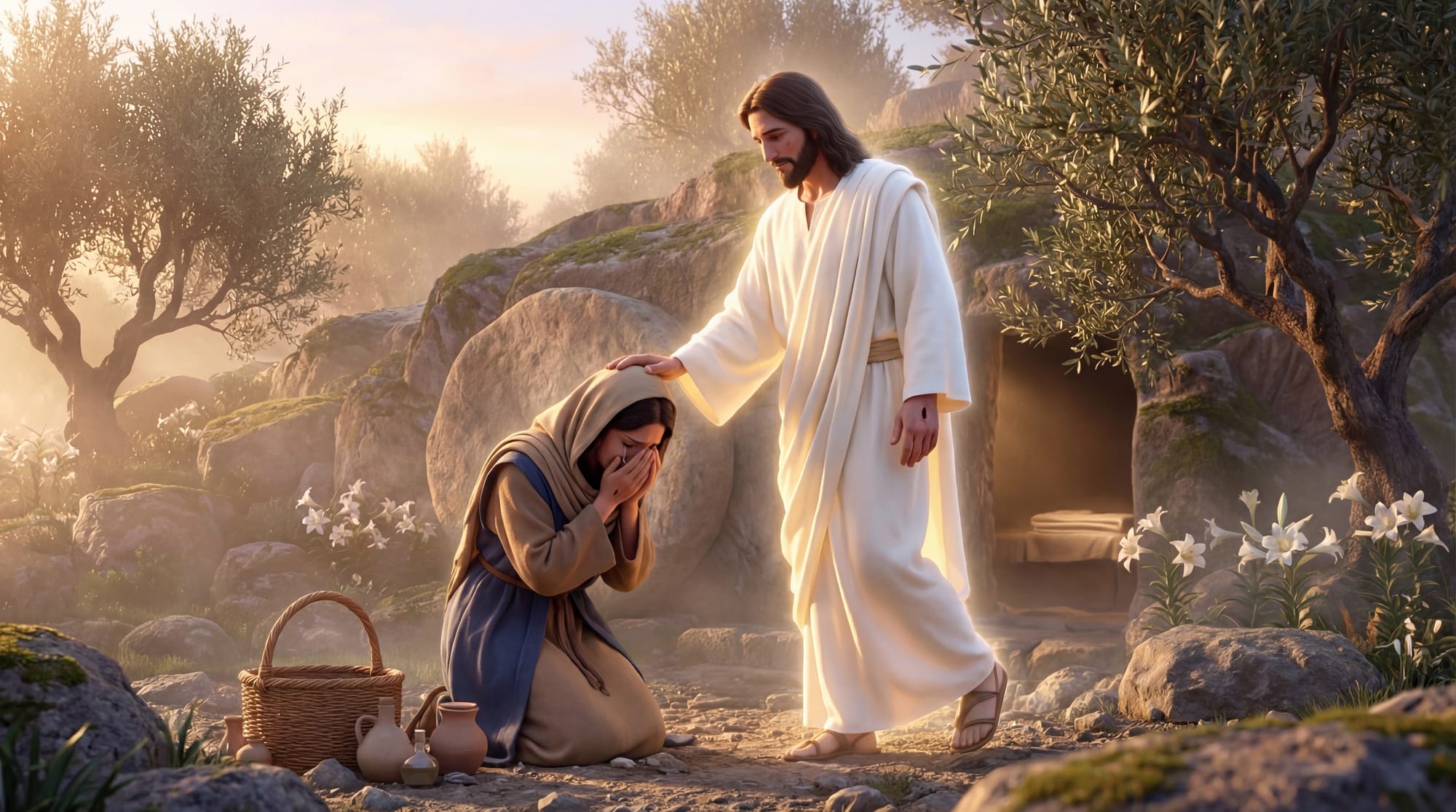
The Easter Victory
"Victory! Victory in the Valley!
He swallowed up death and He made the rally!
No more tears on any face
We're standing in the sunlight, living in grace"
Easter is the ultimate "system reset" for the human family. Long before the stone was rolled away, ancient prophets were already singing the victory song—knowing that the "Easter Hour" would turn every valley of shadow into a mountain of sunlight. Because the tomb is empty, no goodbye is forever and no mistake is final.
Set the Stage: Ancient Prophets' Spoiler Alerts
For thousands of years, the world waited for a rescue. While the ancient prophets like Isaiah, David, and Zechariah lived long before the Savior’s birth, they were given a "long-range vision" of His mission. They didn’t see His face in the flesh, but through revelation, they saw the specific details of His life: the humble ride on a donkey, the thirty pieces of silver, the pierced hands, and the empty tomb. They were the original "watchmen on the tower," singing a victory song for a battle that hadn't even started yet, knowing with absolute certainty that the "Easter Hour" was coming to heal the soul of the world.
The Big Idea: Swallowing the Valley
Why do we say Jesus "swallowed up death"? In the ancient world, a "valley" often represented a place of shadow, defeat, or a dead end. By rising from the grave, Christ didn't just walk through the valley—He effectively deleted the "dead end." Just as a massive wave swallows up a tiny sandcastle, the Resurrection swallows up every permanent tragedy. Because the stone was rolled away, we no longer have to fear that our mistakes are final or that our goodbyes are forever. We look back with the same faith that the prophets used to look forward: trusting that the "Victory in the Valley" is already ours.

Scripture Bridge
Lyric Highlight
"Victory! Victory in the Valley!
He swallowed up death and He made the rally!
No more tears on any face
We’re standing in the sunlight, living in grace."
Reflect: The prophets like Isaiah and Job sang about the "Victory Song" while they were still in their own difficult "valleys" of trials and suffering. What is a "valley" or a hard challenge you are walking through right now? How does knowing that Jesus has already "swallowed up death" and won the rally help you stand in the sunlight of His grace today?
Family Activity
Setup: In the song, we hear how Isaiah "put it on the scroll" and David "sang a song" about things that hadn't happened yet. They were "looking forward" with total confidence.
Try This:
1. Give everyone a long strip of paper (a "scroll").
2. On one side, write down a "Valley" moment your family is facing right now—a hard test at school, a health struggle, or feeling lonely.
3. On the other side, write "VICTORY" in big letters and list one promise from the Savior that helps you get through it (like "I will not leave you comfortless" or "Peace be unto you").
4. Roll up the scroll and tie it with a string.
Reflect: Read Isaiah 25:8. Isaiah didn't wait for the victory to happen before he started celebrating; he trusted God’s "track record." How can "singing the victory song" today help us stay hopeful even when we are still walking through a hard valley?
Watch & Listen
Victory in the Valley
This song is a joyful celebration of those ancient promises coming true. Because Jesus Christ suffered for our sins and rose from the dead, He completely defeated death and the grave. It reminds us that no matter what kind of "valley" or hardship we are walking through right now, the stone has already been rolled away. Because of His grace, no tragedy is permanent, and the victory is already won.
Want the full story? Read the complete Fireside Moment or explore the Lyric-Scripture Blueprint in our Joy Tier Deep Dive.
 Shout for Joy
Journey of Journeys
This song explores what it takes to actually become like Jesus Christ on this "journey of journeys." Elder Maxwell asked a piercing question: "How can we celebrate the empty tomb with empty lives?" If Jesus broke the chains of death, we shouldn't allow ourselves to be defeated by the world. This song is a rallying cry to leave our spiritual graves behind, focus on the eternal things that really matter, and run the race He set before us.
Want the full story? Read the complete Fireside Moment or explore the Lyric-Scripture Blueprint in our Joy Tier Deep Dive.
 Shout for Joy
Miss last week?
Every lesson stands on its own — but together, they tell a bigger story.
 Shout for Joy
An Easter Gift: The Joy Tier is Open
Because we are celebrating the ultimate Victory this week, we’ve decided to unlock the entire Joy Tier for everyone. No subscription required—just pure joy.
Explore everything waiting for your family below:
- The "Journey of Journeys" exclusive Maxwell-inspired lesson
- Full Lyric–Scripture Blueprints for every Easter track
- Expanded "Choose Your Adventure" family activities
- Cinematic Reflection Videos for a quiet Easter Sunday
- Printable Coloring Pages and lyric sheets for the kids
Dive in now to turn this Easter into a full-immersion experience of scripture and song.
This is where the music turns into moments. Here you’ll find deeper background, Lyric-Scripture Blueprints, thoughtful questions, and simple activities designed to help children understand the doctrine behind the songs—and help families connect through joy, not pressure.
Start with the Vibe Check, read the Fireside Moment, then choose one song below to explore.
Vibe Check: From Ancient Shadows to Empty Tombs
This week, the music moves from the dusty scrolls of the Old Testament to the blinding light of the Garden Tomb. We are bridging 4,000 years of faith into two distinct anthems:
- The Prophets’ Playlist: We explore how guys like Isaiah and Zechariah were singing the "Victory Song" centuries before the main event. It’s a high-energy celebration of a plan that was never a "Plan B."
- The Ultimate Product Upgrade: Drawing from Neal A. Maxwell, we look at the Resurrection not just as a historical fact, but as a "system update" for our souls. Are we packing "portable" attributes (meekness, love) or just collecting "perishable" skills that won't pass the gate?
Before You Teach: A Fireside Moment
Before diving into individual lessons, here’s a short fireside-style overview to help you—and your family—understand what’s happening in the scriptures this week.
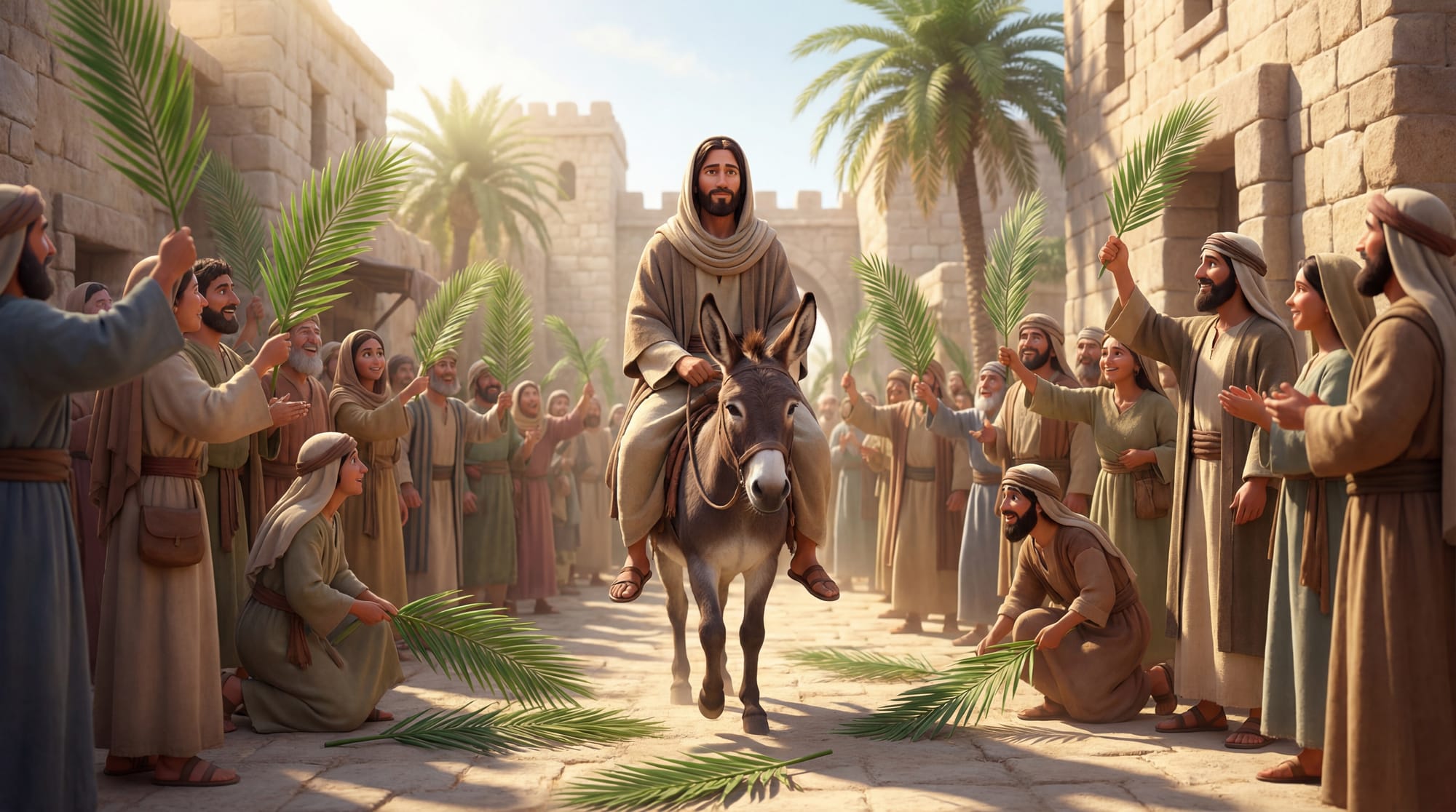
The Prophets Who Looked Forward
Seeing the Valley Before the Victory
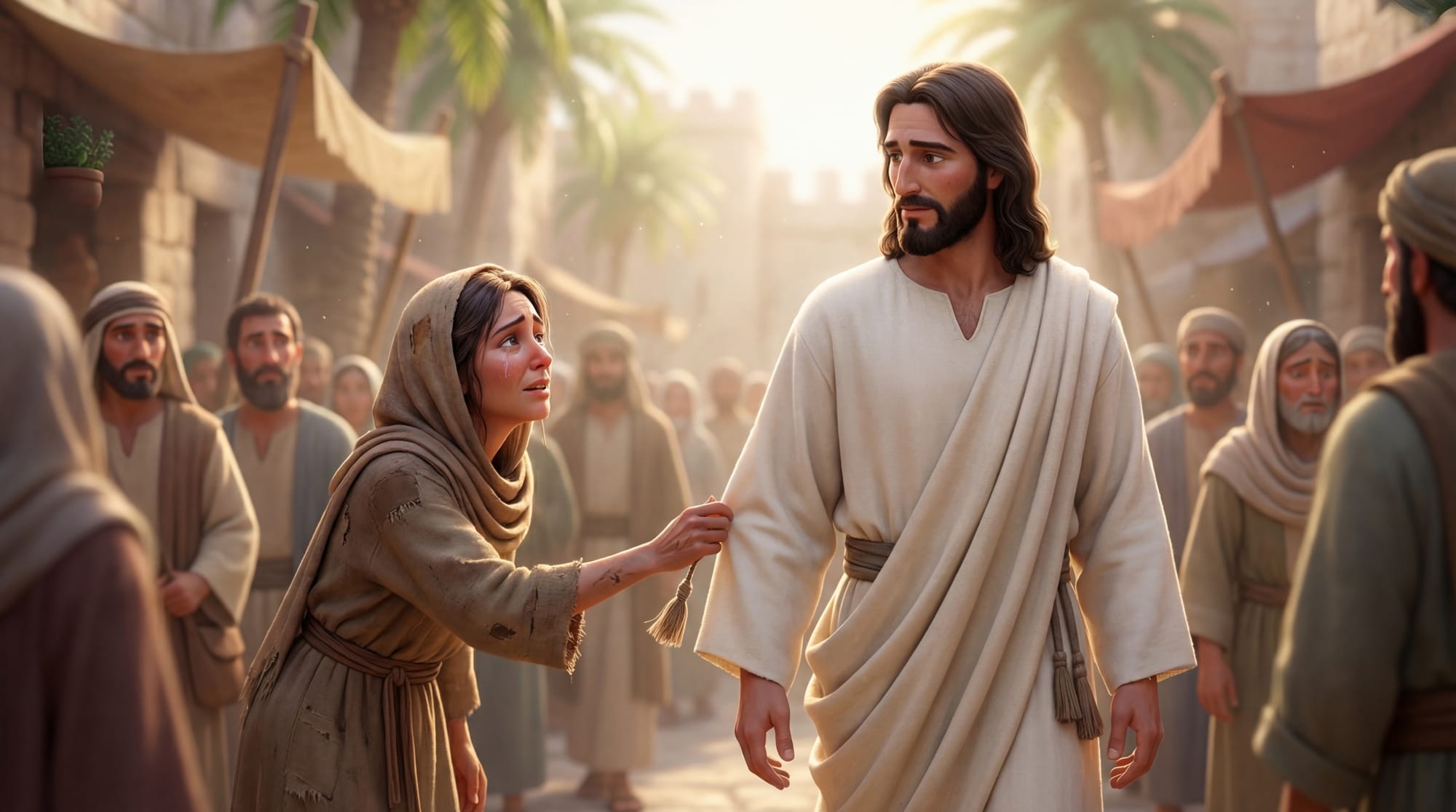
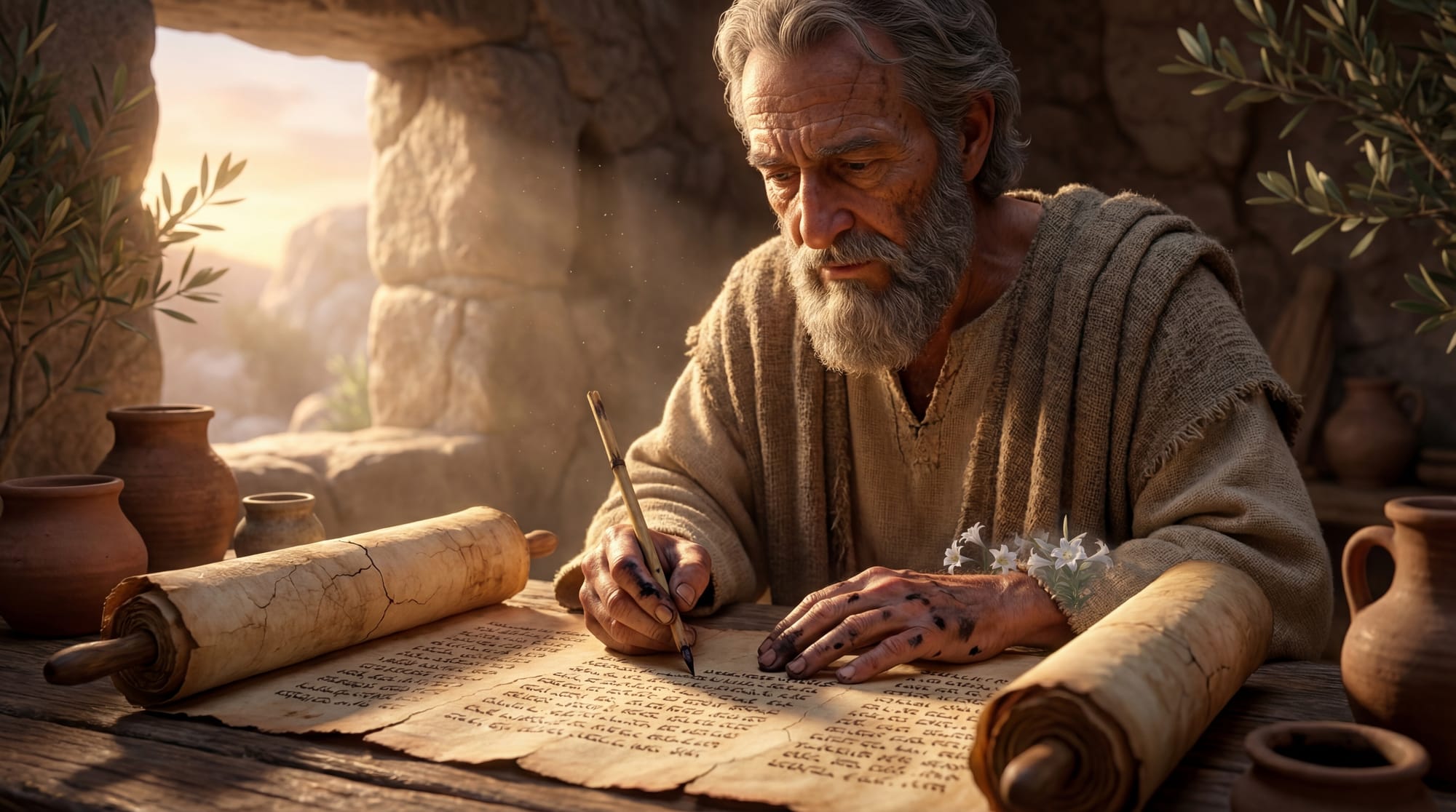
Long before the Savior ever walked the dusty roads of Jerusalem, ancient prophets were already singing His victory song. They did not get to walk beside Him during His life on earth, but through revelation, they clearly saw His power and His mission.
- Isaiah saw the vision and put it on the scroll, prophesying that the Messiah would be led as a silent lamb to the slaughter, taking our stripes to break our chains (Isaiah 53:7).
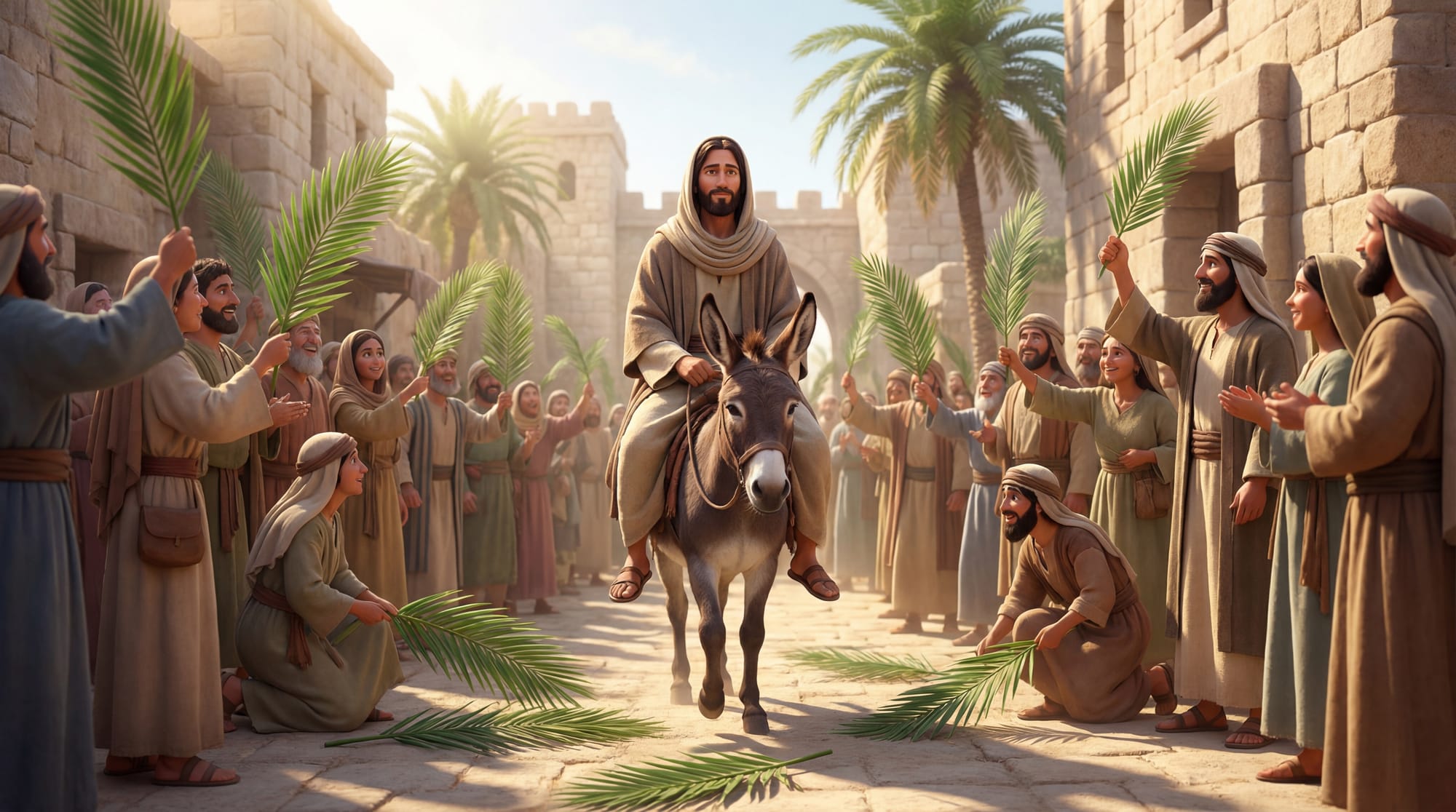
- Zechariah told the ancient world to watch for their King arriving humbly on a donkey, and foretold the devastating price of thirty pieces of silver (Zechariah 9:9; 11:12-13).
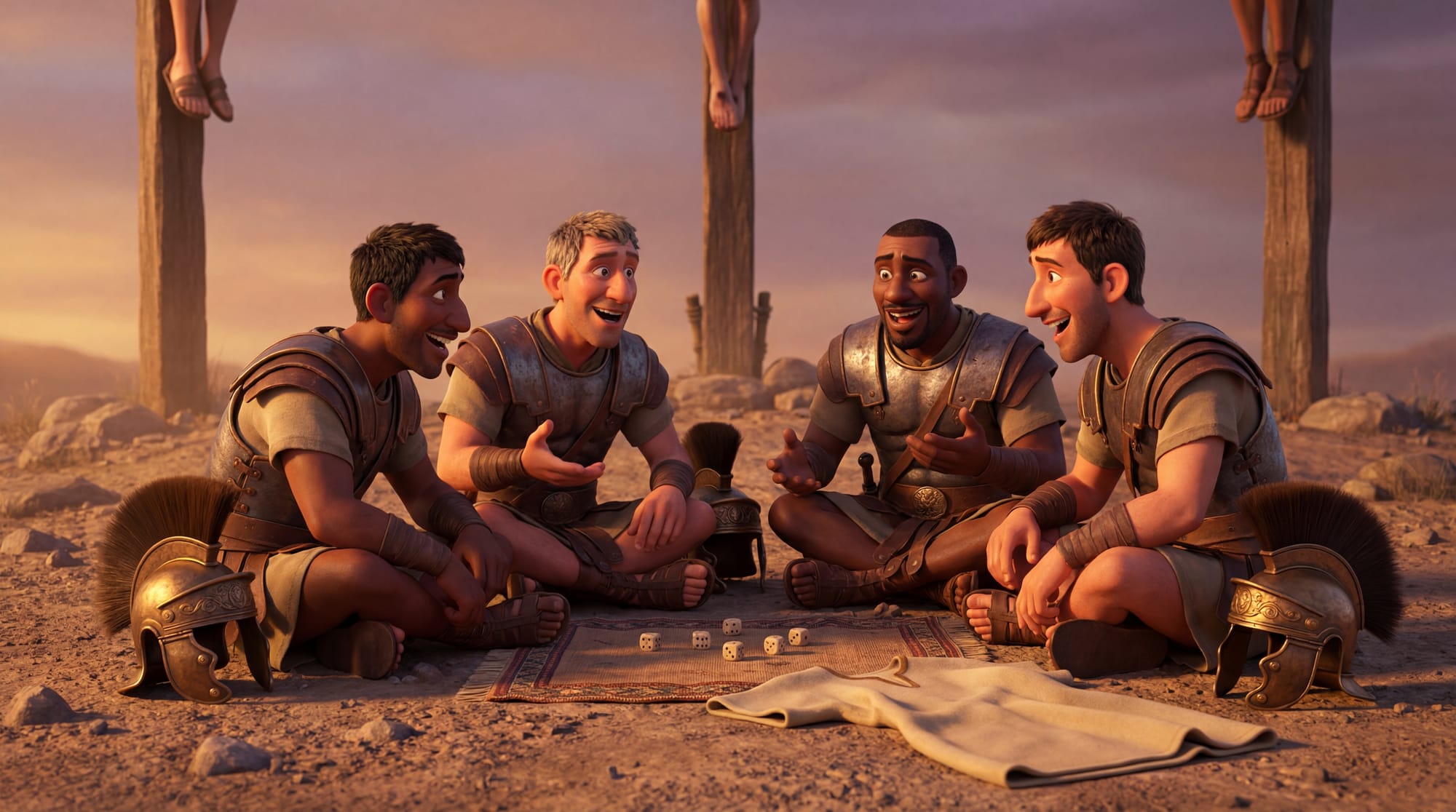
- David sang of pierced hands and soldiers casting lots for the Savior's clothing in the dusty lands (Psalm 22:16, 18).
- Job, while wiping the dust of extreme suffering from his own eyes, stood up and boldly declared, "I know that my redeemer liveth" (Job 19:25).
These ancient believers did not have the full picture, but they knew how the story would end. They knew that the grave could not hold Him, and that He would definitively swallow up death in victory.

The Sunlight of Grace
Because of His infinite Atonement, Jesus Christ has the ultimate power to help us overcome sin, death, trials, and our deepest weaknesses. Easter is a joyful time because it guarantees that no tragedy is permanent, no mistake is beyond repair, and no goodbye is forever.
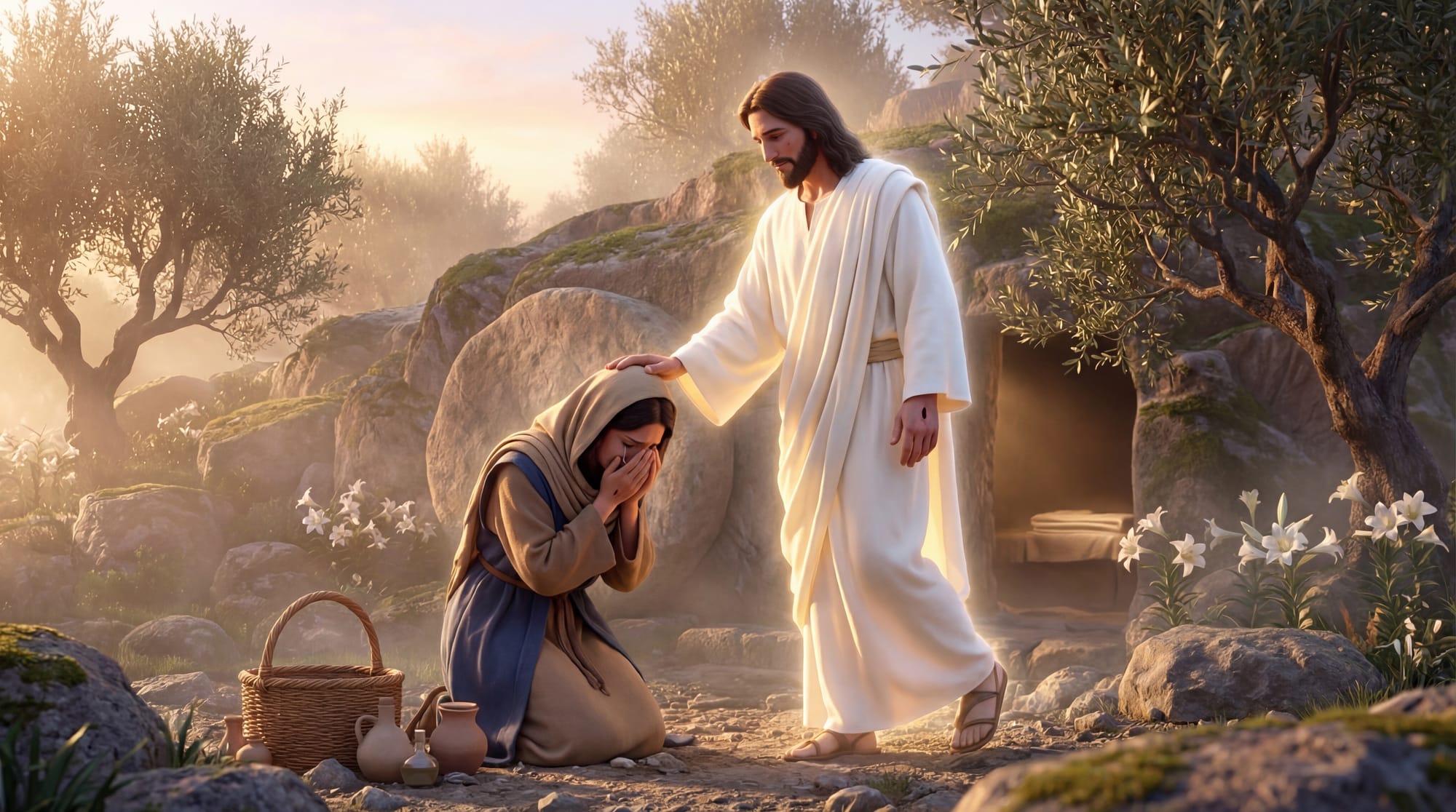
He swallowed up death so that we could live in grace. Whether you are currently standing on a mountain peak or walking through a dark valley, the promise remains the same: the tomb is empty, the stone is rolled away, and the victory is already won.
Dive Deeper: Victory in the Valley
 Shout for Joy

The Journey of Journeys
In Him All Things Hold Together

While the Come, Follow Me manual focuses beautifully on the ancient prophets who foresaw the Savior's victory, we wanted to include a special "bonus lesson" for this Easter week. This section is drawn directly from a profound Easter fireside address given by Elder Neal A. Maxwell. In his message, titled "In Him All Things Hold Together," Elder Maxwell teaches that a true celebration of Easter requires more than just adoration; it requires emulation.

He challenges us to look beyond the history of the Resurrection and focus on the ongoing, daily process of our own spiritual development.
Portable Attributes vs. Perishable Skills

The Resurrection is not just a historical event we celebrate; it is an active invitation to transform. The resurrected Lord asked, "What manner of men [and women] ought ye to be?" and answered, "even as I am."
Making this transformation is an arduous trek—what Elder Neal A. Maxwell called the "journey of journeys". In our mortal lives, we ironically spend massive amounts of time and energy learning and marketing "perishable skills that will soon become obsolete".
But the Savior invites us to pack differently for eternity. He asks us to develop "portable" attributes: becoming submissive, meek, humble, patient, and full of love. These virtues are portable because they survive the grave. When we walk through the veil of death, our resumes, bank accounts, and worldly status stay behind. We only take the character written on our hearts.




The Piercing Question
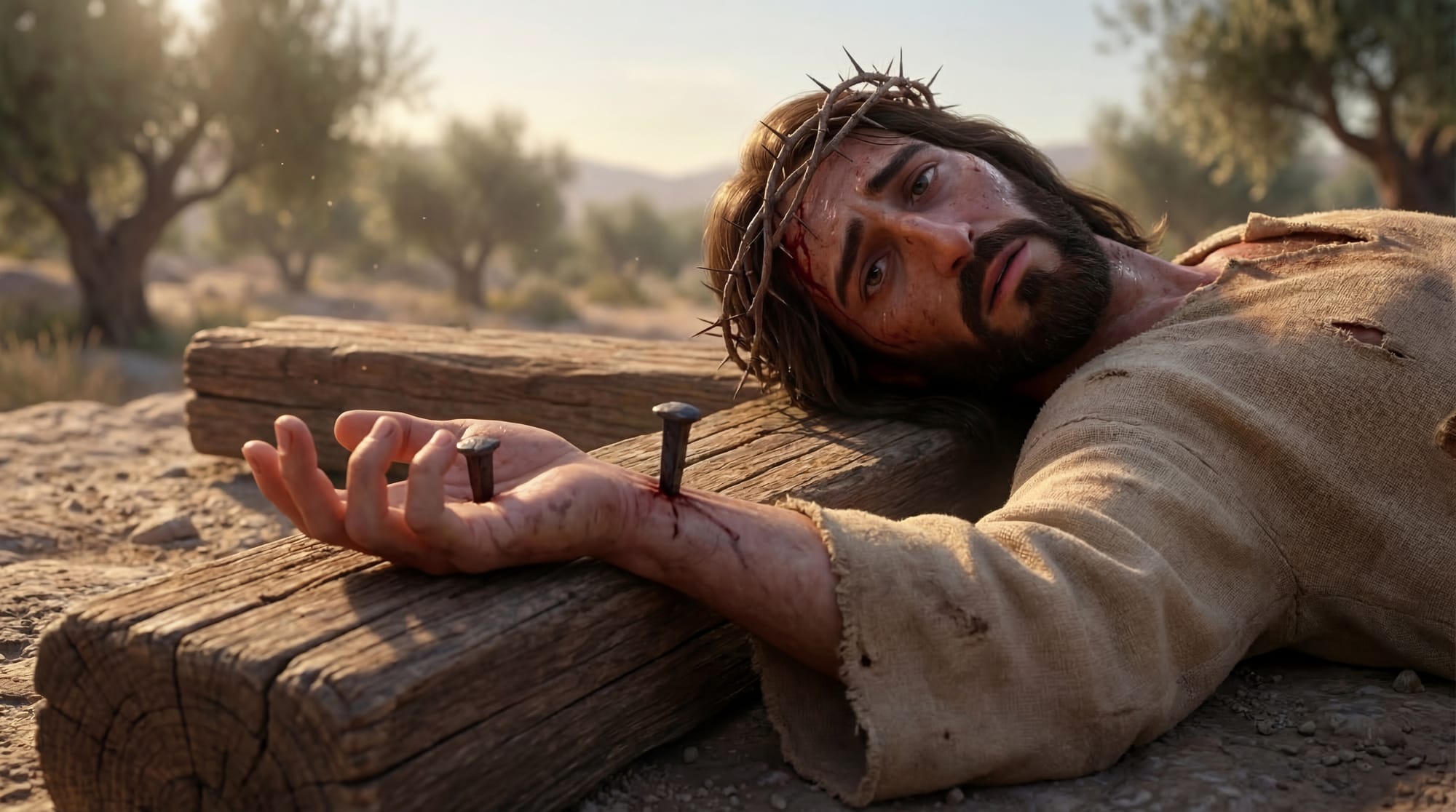
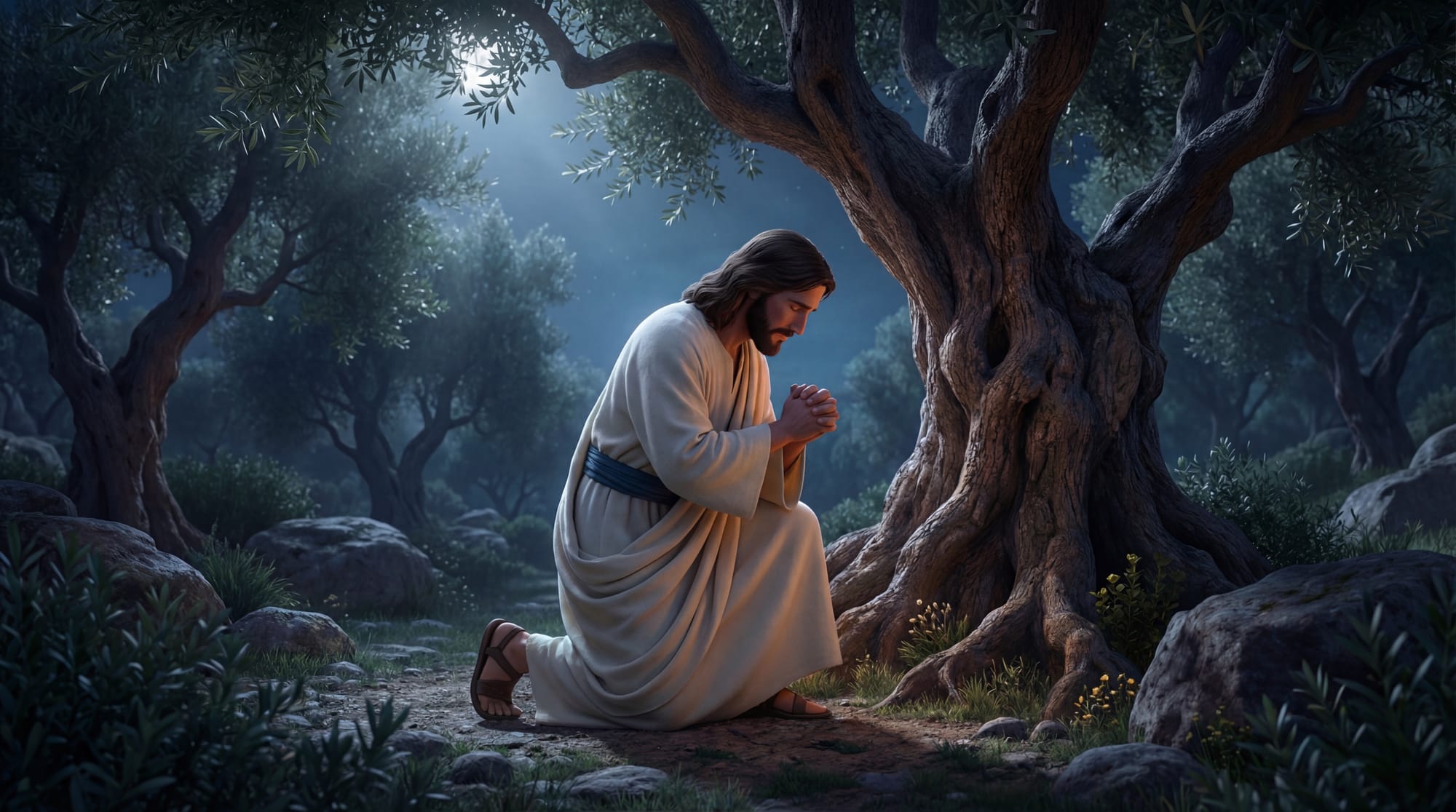
Christ paid an infinite, incomprehensible price in Gethsemane and on Calvary. He bore the cumulative weight of our sins entirely alone.
Because of His sacrifice, the grave is completely empty. But that incredible reality leaves us with a piercing question from Elder Maxwell:
"How can we celebrate the empty tomb with empty lives?"
Elder Neal A. Maxwell | In Him All Things Hold Together
We cannot celebrate His victory over death if we are allowing ourselves to be defeated by the world. We are invited to run the race, leave our spiritual graves behind, and arise as men and women of Christ.
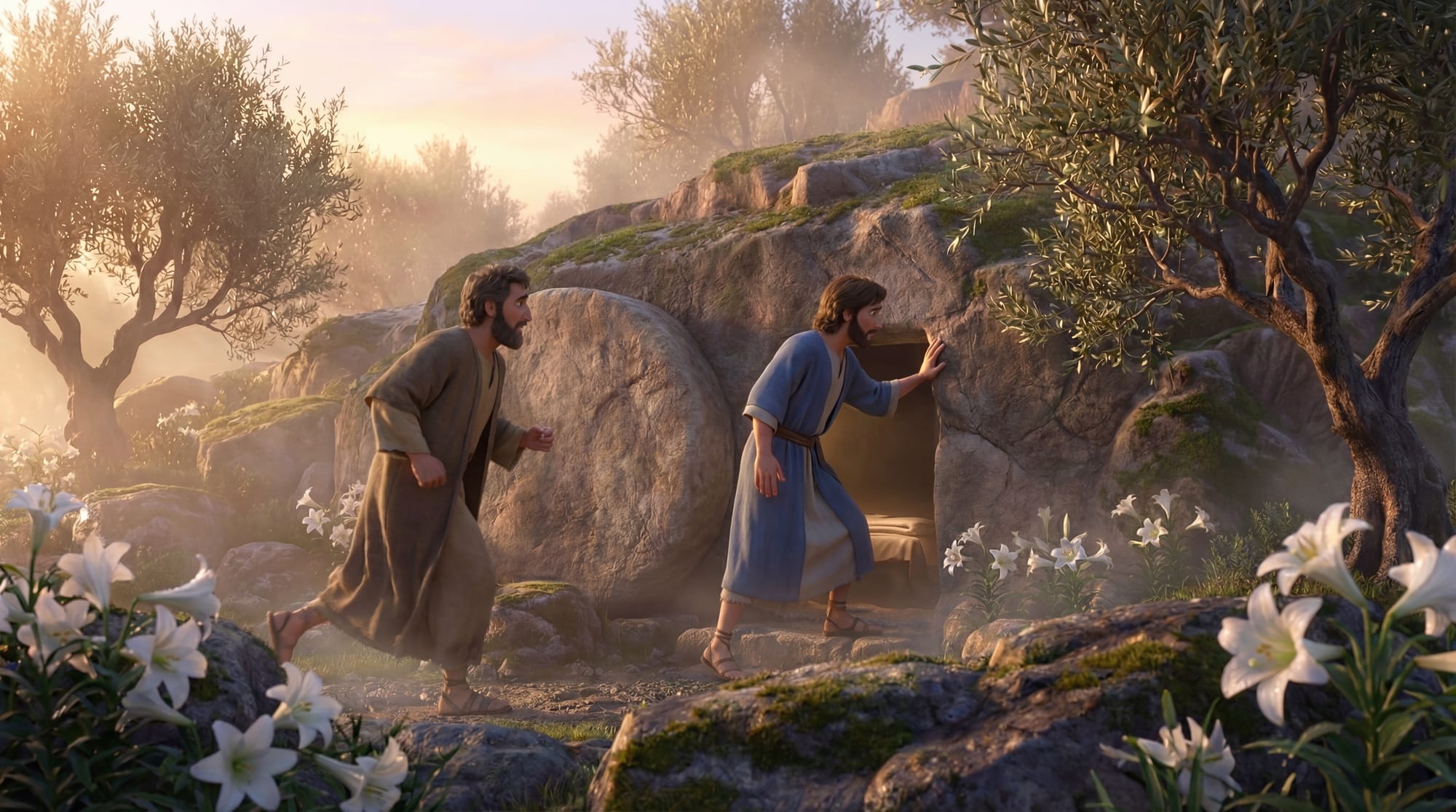


Dive Deeper: Journey of Journeys
 Shout for Joy
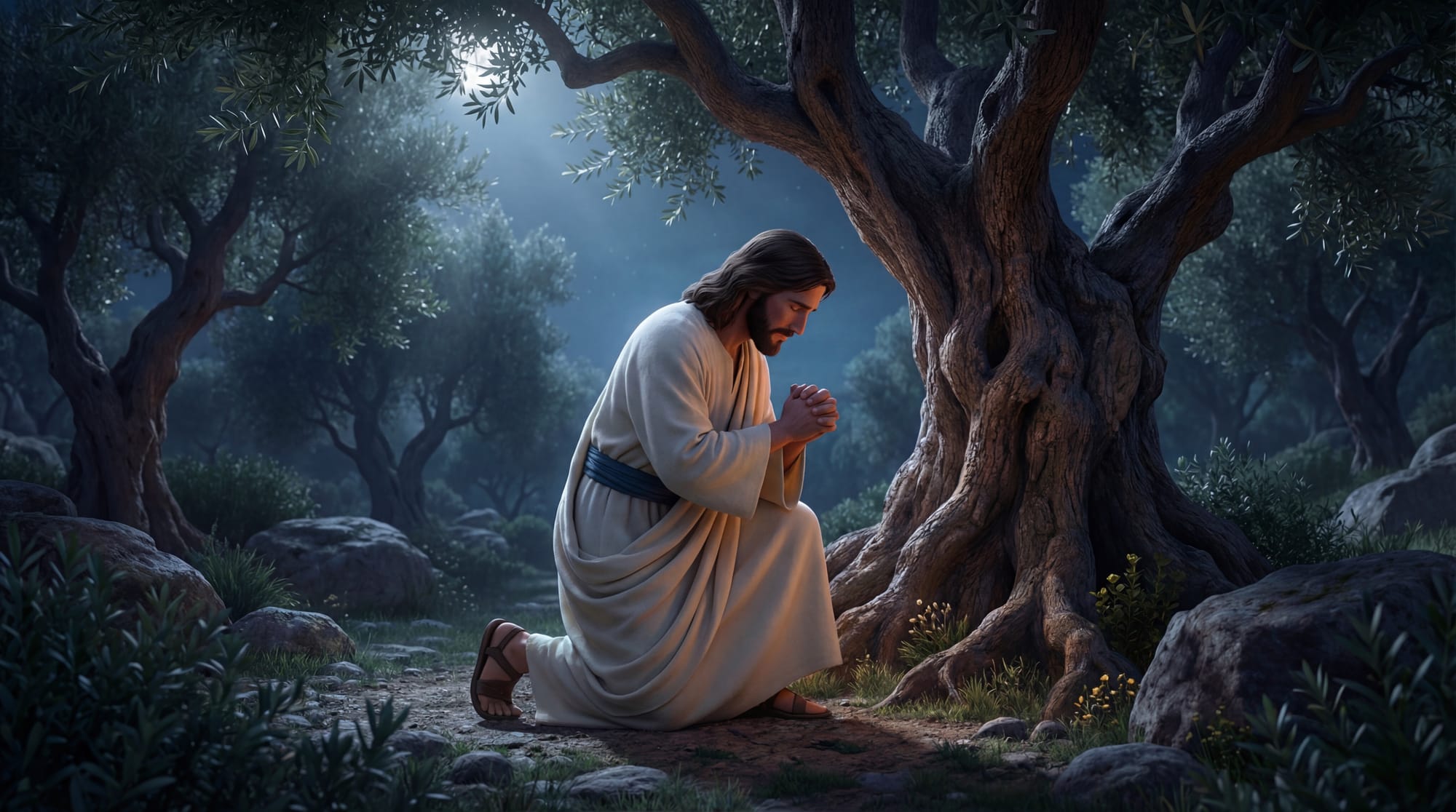
No Plan B
Joy Tier Exclusive
The "Awful Monster" and the Infinite Rescue
When discussing the expansive teachings of the Book of Mormon, Elder Tad R. Callister points out a chilling reality about the Savior's mission: there was "no plan B, no other way by which man can be saved". If Jesus had failed—if He had given up in Gethsemane or decided to come down from the cross—there was no backup plan waiting in the wings. Without the Atonement, the entire human family would have been permanently conquered by what the prophet Jacob called an "awful monster": the Two Deaths.
- Physical Death: The permanent separation of our physical body from our spirit. Without Christ, we would never resurrect.
- Spiritual Death: Our permanent separation from God. Because no unclean thing can dwell in God’s presence, our daily sins and mistakes would have locked us out of our heavenly home forever.
If Christ had not bridged that gap, we wouldn't just be stuck; we would have ultimately become subject to the devil forever.
The Ancient American Witnesses
While the Old Testament prophets looked forward to the Messiah in shadows and symbols, the ancient prophets in the Americas saw the Atonement in stunning clarity. They didn't just hope for a Savior; they knew exactly what was at stake if He didn't arrive.
Here is how four major Book of Mormon prophets looked forward to the Infinite Atonement that conquered both deaths forever:
| The Prophet | The Threat (The Two Deaths) | The Infinite Rescue |
|---|---|---|
| Jacob (2 Nephi 9) |
Warned of the "awful monster; yea, that monster, death and hell." He taught that without a resurrection, our spirits would become subject to the devil and we would be "shut out from the presence of our God." | The Infinite Atonement: "O how great the goodness of our God, who prepareth a way for our escape from the grasp of this awful monster." Christ guarantees that the grave must deliver up its captive bodies. |
| King Benjamin (Mosiah 3) |
Focused heavily on Spiritual Death, teaching that the "natural man is an enemy to God," and without intervention, our natural state leads to endless misery and separation from the Divine. | The Bleeding from Every Pore: Testified that Christ would suffer pain "greater than man can suffer" so that we could put off the natural man and become saints through His atoning blood. |
| Alma (Alma 7) |
Recognized that mortals are constantly weighed down by pains, afflictions, temptations, sicknesses, and the heavy bands of physical death. | Perfect Empathy: Christ didn't just die for our sins; He took upon Himself our sicknesses and pains so His "bowels may be filled with mercy," knowing exactly how to succor us when we are hurting. |
| Nephi (1 Nephi 11) |
Saw that the world would fall into deep spiritual darkness, building "great and spacious buildings" to mock the righteous and lead them into spiritual death. | The Condescension of God: Saw the Savior voluntarily come down from His throne to be judged, mocked, and lifted up upon the cross to rescue a world that would reject Him, proving the ultimate love of God. |